Why Perfume Fades Quickly and How to Fix It
- Concentration is the single biggest factor: A Parfum (20–40% aromatic oils) can last 10–12+ hours; an Eau de Cologne (2–5% oils) vanishes in under two hours. If your perfume fades fast, upgrading concentration is the fastest fix.
- Your skin type matters more than you think: Oily skin traps fragrance molecules and significantly extends longevity; dry skin absorbs them rapidly. Applying an unscented moisturiser before spraying can extend wear time by 2–3 hours on dry skin.
- Base notes are your longevity engine: Molecules like amber, musk, oud, sandalwood, vetiver, and patchouli have low volatility and bind tightly to skin — lasting 8–24 hours. Citrus top notes, by contrast, evaporate within 15–30 minutes regardless of what you do.
- Rubbing wrists together destroys longevity: This almost-universal habit crushes the fragrance molecules and flattens the top note structure — one of the most common self-inflicted causes of poor fragrance performance.
- Storage location can silently degrade your fragrance: Heat, light, and humidity — the three constants of a bathroom cabinet — oxidise fragrance molecules and reduce both longevity and scent quality over time. Your bedroom drawer or wardrobe shelf is a far better storage location.
It’s 8am. You spray your favourite fragrance, head out the door, and feel great. By 11am you catch a hint of it when you move. By lunchtime, it’s gone entirely — and you’re wondering whether that expensive bottle you bought is somehow defective, diluted, or a fake.
It’s probably none of those things. Fragrance longevity is one of the most misunderstood topics in all of perfumery — and the solution is almost never to buy a different bottle. It is almost always to understand why your current fragrance is fading and make targeted adjustments to the formula you choose, the way you apply it, and the way you store it.
This guide covers every science-backed reason why perfume fades quickly — and gives you a complete, actionable toolkit to fix each one. By the time you finish reading, your fragrance will last measurably longer. Not because you spent more money, but because you understand the chemistry.
The Science of Why Perfume Fades: What’s Actually Happening on Your Skin
Perfume is a solution of aromatic compounds dissolved in alcohol. When you spray it, the alcohol begins evaporating almost immediately — this is what disperses the scent molecules into the air in the first moments after application. As The Style Tribune’s fragrance science analysis explains: “Once sprayed, the alcohol evaporates first, leaving behind scent molecules. If these molecules are light or poorly anchored, they vanish quickly.”
The key variable is molecular weight and volatility. Lighter, smaller molecules — like the limonene in bergamot or the citral in lemon — are highly volatile. They evaporate rapidly, which is why they create that immediate, vivid first impression (the top note) but disappear within 15–30 minutes. Heavier, larger molecules — like the santalol in sandalwood, the coumarin in tonka bean, or the synthetic musks in modern designer fragrances — are far less volatile. They evaporate slowly, binding to the skin’s surface and the fatty layer of moisturisers or natural skin oils, releasing their scent gradually over 6–12 hours or more.
This is the fundamental architecture of every fragrance: a top note (high volatility, fades fast), a heart note (medium volatility, lasts a few hours), and a base note (low volatility, anchors the fragrance for the long haul). When people say their perfume “fades,” they are usually experiencing the loss of the top and heart notes — but the base note, if the fragrance has been correctly applied and the skin is properly prepared, should still be present on the skin even when you can no longer consciously detect it.
One of the most important and least-known reasons your perfume seems to “disappear” is not evaporation — it is olfactory fatigue. Your brain deliberately filters out familiar, constant stimuli to prevent sensory overload. After wearing a fragrance for 20–30 minutes, your olfactory system adapts and stops consciously registering the scent, even though it is still fully present on your skin. This is why someone who walks into the room after you have been wearing your perfume for an hour will immediately notice it — while you can barely smell it yourself. The simple test: if others can smell your fragrance, it has not faded. Your nose has simply adapted to it.
The 7 Real Reasons Your Perfume Fades Too Quickly
Reason 1: Low Fragrance Concentration
This is the most direct and fixable cause of poor longevity. The concentration of aromatic oils in a fragrance formula determines how long the scent can last — more oil means more molecules, which means slower overall evaporation and longer wear. As Scentual Perfumes’ chemistry guide explains: higher oil concentrations ensure a greater number of aromatic compounds are available to maintain scent presence throughout the day.
| Concentration Type | Oil Percentage | Typical Longevity on Skin | Best For |
|---|---|---|---|
| Extrait de Parfum / Parfum | 20–40% | 10–14+ hours | Special occasions; evening; maximum longevity required |
| Eau de Parfum (EDP) | 15–20% | 6–10 hours | Daily wear; professional settings; best all-round concentration |
| Eau de Toilette (EDT) | 5–15% | 3–5 hours | Casual wear; warmer climates; lighter presence preferred |
| Eau de Cologne (EDC) | 2–5% | 1–3 hours | Post-workout; very fresh application; reapplication expected |
| Eau Fraîche | 1–3% | Under 1 hour | Body mists; gym sprays; momentary freshness only |
The fix: If you currently wear an EDT and find it fades too quickly, switching to the EDP version of the same fragrance (where available) is the single highest-impact change you can make. A perfume with higher oil concentration rated by the International Journal of Cosmetic Science lasted up to 8 hours, while lighter formulations faded within 2–3 hours — a difference determined entirely by concentration, with all other variables held constant.
Reason 2: Dry or Dehydrated Skin
Your skin’s lipid (oil) content is the primary natural mechanism for trapping and anchoring fragrance molecules after application. Embark Perfumes’ skin chemistry research describes the dynamic clearly: “Dry skin lacks the lipids necessary to trap fragrance molecules. Instead of absorbing and holding the scent, it evaporates quickly.” Oily skin, by contrast, creates a natural slow-release mechanism where fragrance molecules bind to the skin’s surface oils and release gradually over many hours.
The fix: Apply an unscented or fragrance-matching moisturiser to your pulse points before spraying. An unscented lotion or petroleum jelly creates a lipid-rich base that mimics the trapping effect of oily skin, extending wear time by 2–3 hours. Jojoba oil is particularly effective for this purpose — its molecular structure is similar to human sebum, making it an outstanding fragrance-fixing base.
Reason 3: Wrong Application Points
Where you spray your fragrance determines both how it performs and how long it lasts. The optimal application points are your warm pulse points — areas where blood vessels are close to the skin surface and body heat is highest. Heat activates the fragrance molecules, promoting a slow, steady diffusion throughout the day rather than a single intense burst that fades quickly.
The fix: Apply to inner wrists, neck (both sides), behind the ears, inner elbows, behind the knees, and the chest. Warmer body areas — inner elbows, behind the knees, the chest — are particularly effective for base note longevity. The hair and clothing also hold fragrance significantly longer than skin: a light spray on a scarf or shirt collar can extend the life of your fragrance by several hours beyond what skin application alone achieves.
Reason 4: Rubbing Wrists Together
This is probably the most damaging fragrance habit in existence — and it is almost universally practised. The instinct to rub wrists together after applying perfume feels natural, but it actively destroys the fragrance’s performance. The friction generates heat and mechanical energy that crushes the delicate top note molecules, flattens the scent profile, and alters the fragrance’s intended evolution. As consistently confirmed across fragrance science sources: rubbing breaks fragrance molecules and reduces longevity.
The fix: Spray and let it dry naturally. If you have applied to both wrists, simply hold them apart — or gently touch them together once without any rubbing motion. The fragrance will diffuse and settle on its own within 30–60 seconds without any intervention.
Reason 5: Citrus-Heavy or Top-Note-Dominant Formula
If your favourite fragrance is built primarily around citrus notes — bergamot, lemon, grapefruit, lime, mandarin — it will fade quickly regardless of what you do. This is not a quality issue or a defect. It is a fundamental property of the molecular structure of these notes. As BODÉ Studios’ longevity analysis confirms: “If your favourite perfume is very fresh or citrus-based, a shorter longevity is normal. It’s simply how those molecules work, not a sign of poor quality.”
The fix: Understand the note structure of your fragrance before you buy, and calibrate your longevity expectations accordingly. If you love citrus fragrances but want longer wear, look for citrus-woody or citrus-amber hybrids — where the bright citrus top notes sit above a substantial woody or resinous base that carries the fragrance forward after the citrus fades. Alternatively, apply a woody base oil or matching body product first to anchor the citrus opening for longer.
Reason 6: Poor Storage Conditions
The fragrance you spray today may already be significantly degraded compared to when you first bought it — not because of how you are wearing it, but because of where you are storing it. Heat, light, and humidity are the three primary enemies of fragrance longevity, and the bathroom — where the vast majority of people keep their perfume — delivers all three in abundance.
Heat and UV light accelerate the oxidation of fragrance molecules, breaking down the aromatic compounds and altering both the scent character and its staying power. Steam from showers introduces humidity that can cause phase separation of the formula. The temperature fluctuations between cold and hot in a bathroom accelerate this process further.
The fix: Store fragrances in a cool, dark, stable-temperature environment — ideally their original box, inside a bedroom drawer or wardrobe shelf. Never store on windowsills, near radiators, in cars (which experience extreme temperature swings), or in bathrooms. Properly stored fragrances can maintain their character for 3–5 years.
Reason 7: Environmental Factors — Heat, Wind, and Air Conditioning
Your environment actively affects how long your fragrance lasts on any given day. Hot weather accelerates evaporation — your fragrance will project more powerfully in the first hour but fade faster overall. Air conditioning systems in offices and aeroplanes constantly cycle dry air past your skin, carrying fragrance molecules away from the surface and accelerating their dispersal. Outdoor wind has the same effect at scale.
The fix: In hot or air-conditioned environments, apply fragrance to clothing and hair as well as skin — fabric fibres hold scent molecules much longer than skin in dry or moving air. In warm weather, choose EDPs or Parfums over EDTs to compensate for the faster evaporation rate. Save your heaviest, most tenacious fragrances for cooler seasons when the reduced evaporation rate gives deep base notes time to fully express themselves.
| Reason for Fading | Root Cause | Impact on Longevity | The Fix | Difficulty |
|---|---|---|---|---|
| Low concentration (EDC/EDT) | Insufficient aromatic oil percentage | Very High | Upgrade to EDP or Parfum | Easy ✅ |
| Dry or dehydrated skin | No lipid layer to anchor molecules | High | Moisturise with unscented lotion before spraying | Easy ✅ |
| Wrong application points | Applying to cool or low-heat areas | Medium | Apply to warm pulse points; add clothing/hair | Easy ✅ |
| Rubbing wrists together | Mechanical destruction of top note molecules | Medium | Spray and let dry naturally — never rub | Easy ✅ |
| Citrus/top-note-heavy formula | High molecular volatility of citrus compounds | Very High (for top notes) | Choose citrus-woody hybrids; layer over a base oil | Medium ⚠️ |
| Poor storage (bathroom, window) | Heat, UV, humidity degrade molecules | Medium-High (cumulative) | Move to cool, dark, dry location | Easy ✅ |
| Environmental factors | Air conditioning, wind, heat accelerate evaporation | Medium | Apply to clothing/hair; carry for midday reapplication | Easy ✅ |
The Longevity Blueprint: Notes That Last vs Notes That Fade
One of the most powerful tools for choosing a fragrance with better longevity is understanding which specific notes behave like anchors and which behave like sparks. Every fragrance ingredient has a characteristic volatility profile — and knowing this in advance helps you select bottles that are structurally built to last.
| Note Category | Examples | Typical Longevity | Why It Lasts (or Doesn’t) |
|---|---|---|---|
| 🕐 Very Short (Top Notes) | Lemon, bergamot, grapefruit, lime, mint, petitgrain | 15–45 minutes | Small, light molecules with very high volatility — designed for immediate impact, not longevity |
| 🕑 Short (Herbal / Light Floral Top) | Lavender, basil, rosemary, lily of the valley, light rose | 30 minutes – 2 hours | Moderate volatility; terpene-rich; fade faster than heart notes but slower than pure citrus |
| 🕒 Medium (Heart Notes) | Jasmine, iris, geranium, ylang ylang, cardamom, pink pepper | 2–5 hours | Larger molecules than top notes; form the character core of the fragrance; moderate longevity |
| 🕓 Long (Soft Base Notes) | Cedarwood, sandalwood, vetiver, patchouli, frankincense | 6–12 hours | Large, heavy molecules with low volatility; bind strongly to skin lipids; form the long-lasting anchor |
| 🕔 Very Long (Tenacious Base Notes) | Musk, ambroxan, oud, amber, labdanum, benzoin, tonka bean, vanilla | 10–24+ hours | Extremely low volatility; molecular fixatives that slow down the evaporation of every other note they are blended with |
The practical implication of this table is simple: when choosing a fragrance for all-day longevity, prioritise bottles whose base note profiles include tenacious anchors — musk, ambroxan, oud, amber, or dense resins. These are the molecules that will still be detectable on your skin — or on your jacket collar — 10 hours after application, even after the citrus and heart notes that first attracted you have long since faded.
Top Long-Lasting Fragrances That Actually Last All Day
Understanding the theory is useful; having a practical recommendation is better. Here are four of the most highly regarded long-lasting fragrances available today — each built on a base note architecture that makes genuine all-day longevity achievable without relying on application tricks alone.
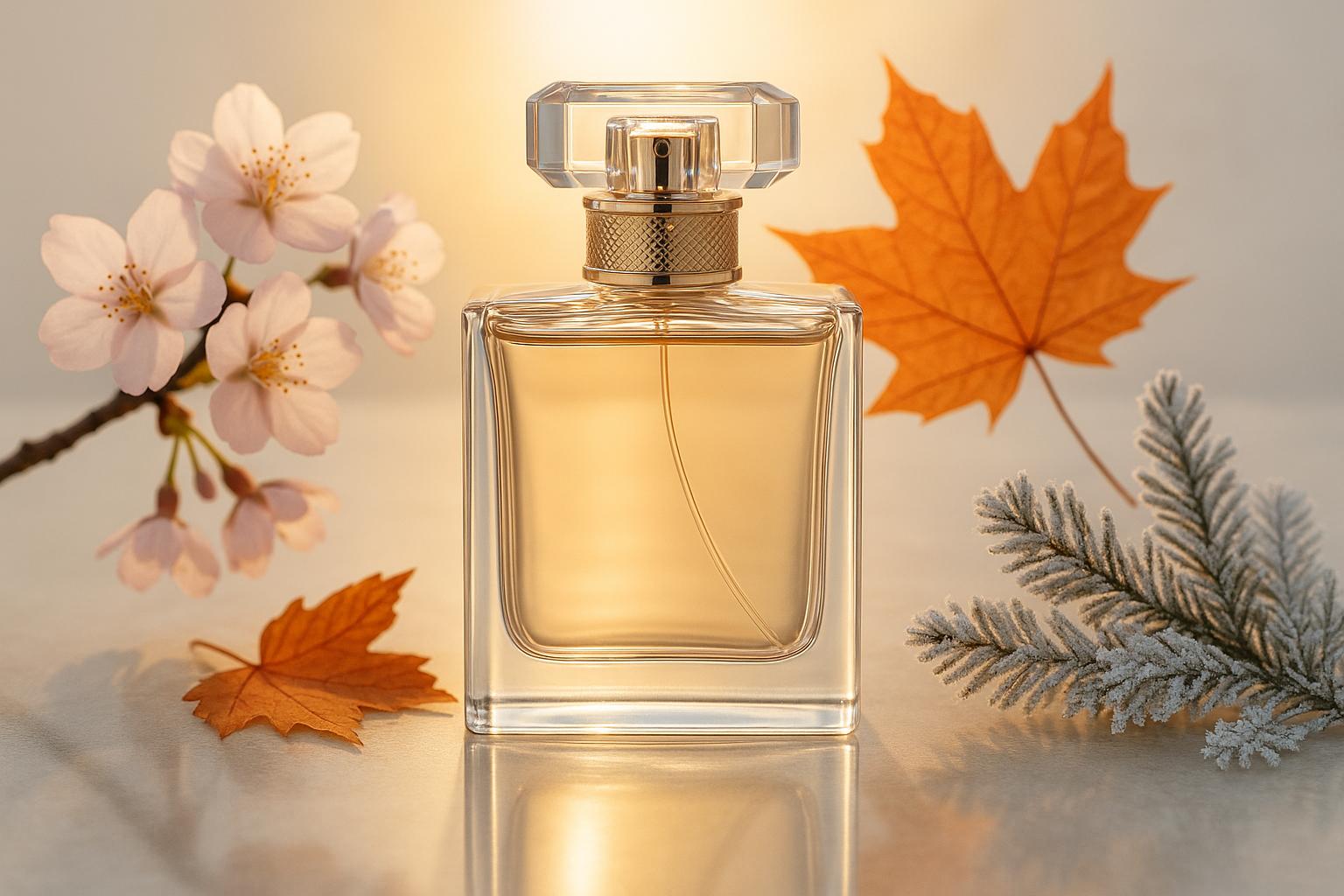
1. Dior Sauvage Eau de Parfum — The All-Day Longevity Benchmark
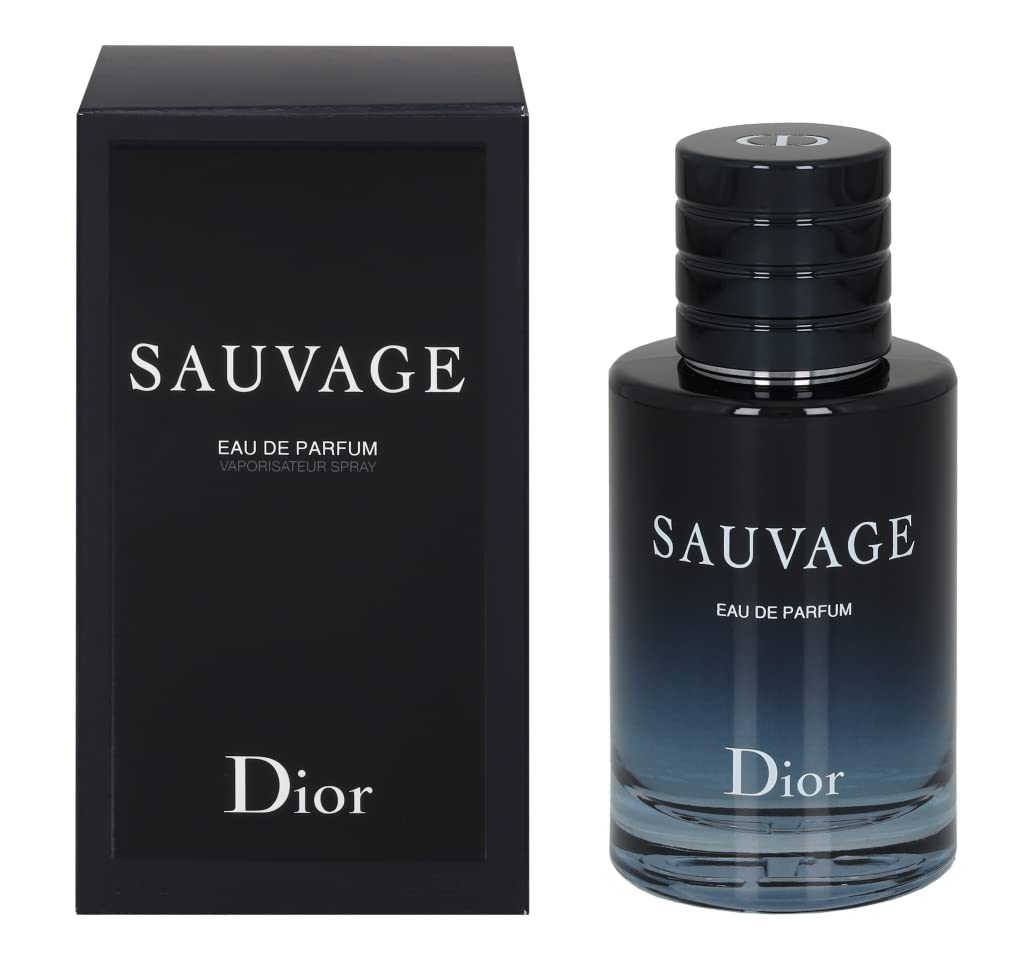
Dior Sauvage EDP is the single most-cited example of a designer fragrance that solves the longevity problem at a structural level. The secret lies in its ambroxan-heavy base — ambroxan is one of the most tenacious synthetic molecules in modern perfumery, with a nearly unmatched ability to anchor a fragrance to skin and project for 8–12 hours on even dry skin types. Its bergamot opening delivers the immediate citrus freshness that makes Sauvage so instantly appealing; but where the EDT version of that opening fades in 3–4 hours, the EDP’s deeper ambroxan-wood-vetiver base catches and holds the fragrance far longer. It is, structurally, a masterclass in how to pair a volatile top note with a tenacious base to create a fragrance that performs all day without heavy reapplication.
- Top Notes: Calabrian bergamot, Sichuan pepper — the vibrant, immediately attractive citrus-spice opening that made Sauvage the world’s bestselling men’s fragrance
- Heart Notes: Lavender, geranium — smooth, aromatic transition that deepens the freshness without losing the brightness
- Base Notes: Ambroxan, vetiver, cedarwood — the longevity engine; ambroxan in particular is a near-permanent molecular fixture on skin, projecting for 8–12 hours
- Longevity: Consistently rated 8–12 hours by community reviewers — one of the strongest performers at the designer price tier
- Versatility: All seasons, all occasions — the EDP’s depth makes it more formal-ready than the EDT
- Ubiquity: Widely recognised — not a niche or unique signature; if exclusivity is a priority, consider a niche alternative
- Projection: Projects boldly — 2 sprays is sufficient; over-application is a common mistake that makes the ambroxan note overwhelming
- Price Range: Mid-to-high designer pricing (~$80–$130 for 3.4 oz) — not the cheapest entry into all-day longevity
- Best Season: Year-round but particularly powerful in cooler months; can feel dense in peak summer heat
Best for: Anyone seeking guaranteed all-day performance in a widely respected, universally wearable designer fragrance built around one of the most tenacious base note molecules in modern perfumery.
2. Tom Ford Black Orchid EDP — The Luxury All-Day Powerhouse
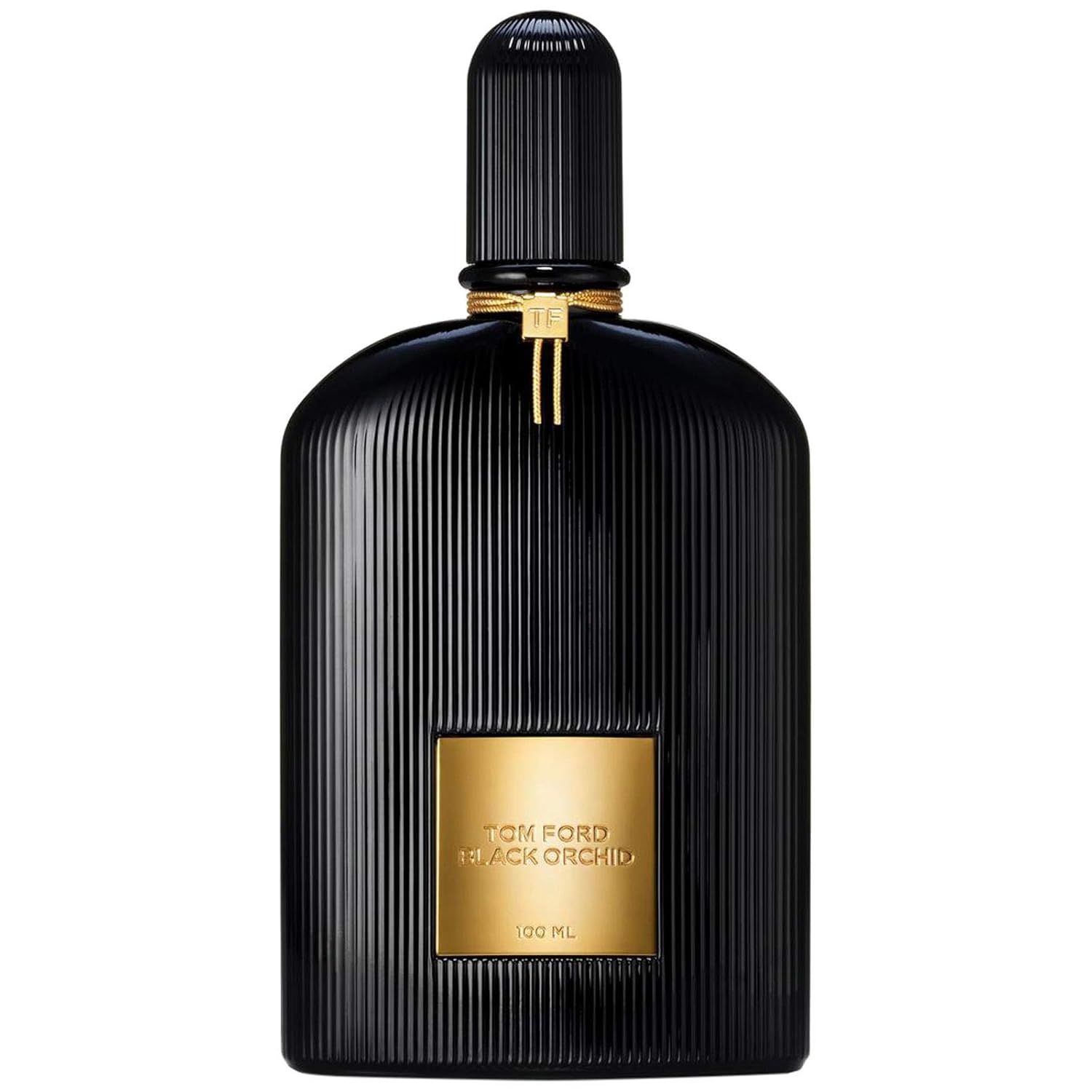
Tom Ford Black Orchid is the gold standard example of a fragrance built from the base up for maximum longevity. Its formula is dominated by the tenacious base note trio of black truffle, patchouli, and dark amber — three of the heaviest, most skin-bonding molecules in perfumery. Patchouli alone is one of the longest-lasting natural fragrance ingredients that exists, with documented wear times of 12–24 hours; paired with the dense resinous depth of dark amber and the earthy, almost leather-like quality of black truffle accord, it creates a base that practically refuses to leave the skin. The opening is rich and luxurious — black orchid, ylang ylang, bergamot — and the whole composition is genuinely unisex, worn with equal conviction across all genders. If Sauvage EDP represents all-day longevity in a fresh-to-woody register, Black Orchid delivers it in an opulent, evening-luxury register.
- Top Notes: Black truffle, ylang ylang, bergamot — immediately rich, opulent, and distinctive; unlike any mainstream fragrance opening
- Heart Notes: Black orchid, lotus, fruit accord, spices — a complex, multilayered floral heart of outstanding quality and development
- Base Notes: Patchouli, vetiver, sandalwood, dark amber, incense — one of the most tenacious base note combinations in designer perfumery; documented longevity of 12–18 hours on most skin types
- Longevity: Consistently among the longest-lasting designer fragrances available — 12+ hours the norm, not the exception
- Unisex: Genuinely transcends gender — one of the most popular fragrances among both men and women across the fragrance community
- Intensity: A genuinely bold, dark fragrance — not suited to conservative professional environments or those who prefer light, fresh scents; one spray is sufficient
- Projection: Very powerful sillage — leaves a significant trail; inappropriate for enclosed, small spaces in heavy doses
- Price Range: Premium designer pricing (~$100–$180 for 1.7–3.4 oz) — a significant investment, but the longevity per application makes it one of the best cost-per-wear values in the category
- Best Season: Autumn, winter, and cooler evenings; the richness can feel heavy in peak summer heat
Best for: Those seeking maximum all-day longevity in a luxury fragrance with genuine presence and distinctive character. An outstanding evening and special-occasion choice, and a formidable argument for investing in base-note-heavy compositions.
3. Thierry Mugler Alien EDP — 12+ Hours of Unapologetic Presence
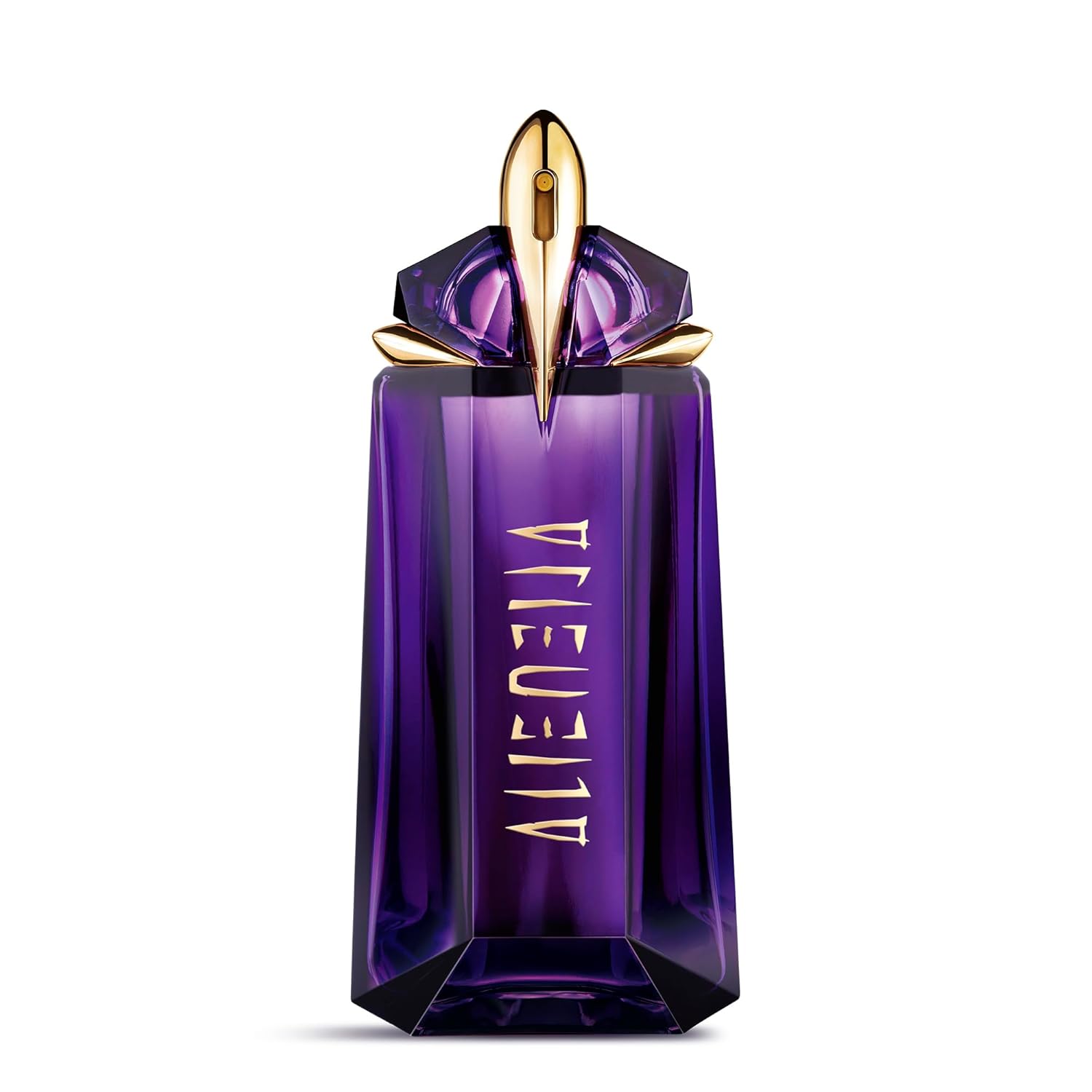
Thierry Mugler’s Alien is a masterclass in longevity through base note architecture — and consistently cited in fragrance longevity discussions as one of the most tenacious designer fragrances ever produced. Its formula is built around jasmine sambac (the richest, most indolic jasmine variety) paired with amberwood and Cashmeran — a synthetic woody-musky molecule with extraordinarily low volatility that bonds to skin and fabric with remarkable tenacity. The fragrance has been tested and documented for 12+ hours’ longevity even on dry skin types, with many reviewers reporting that the Cashmeran-amber base can still be detected the following morning on clothing. The composition is bold, warm, and solar — not for those seeking subtlety, but absolutely unrivalled in the designer category for delivering genuine all-day (and often all-next-morning) scent presence.
- Top/Heart Notes: Jasmine sambac — there are effectively no separate top notes; the fragrance opens directly with jasmine in its most rich and indolic form, full-bodied from the first spray
- Base Notes: Amberwood, Cashmeran — Cashmeran is one of the most tenacious fragrance molecules in existence; its presence in the base guarantees extraordinary longevity on both skin and fabric
- Documented Longevity: 12+ hours consistently, with Cashmeran-amber trail detectable on fabric for 18–24 hours — genuinely one of the longest-lasting EDP formulas at the designer price point
- Refillable bottle: Alien’s iconic amethyst refill system is one of the most sustainable and cost-efficient in designer perfumery — reducing packaging waste and cost per refill
- Icon status: One of Mugler’s most beloved and critically acclaimed fragrances; a genuine collector’s and enthusiast’s recommendation
- Polarising character: The jasmine-amber combination is bold and distinctive — loved intensely or found overwhelming; a sample before purchasing is essential
- Application quantity: One spray is genuinely sufficient for most environments; the Cashmeran projects powerfully and a single spray on the neck or wrist will carry for the full day
- Price Range: Mid-to-high designer pricing (~$70–$130 for various sizes) — the refill system makes the long-term cost-per-use lower than most alternatives
- Best Season: Autumn and winter; the warm, solar quality can become cloying in very hot summer conditions
Best for: Anyone who wants the absolute maximum longevity available at a designer price point — particularly those with dry skin who struggle to hold any fragrance for more than a few hours. Alien’s Cashmeran base is one of the most effective solutions to the “perfume fades on me” problem that exists in mainstream fragrance.
4. CeraVe Moisturising Cream — The Essential Fragrance Base for Dry Skin
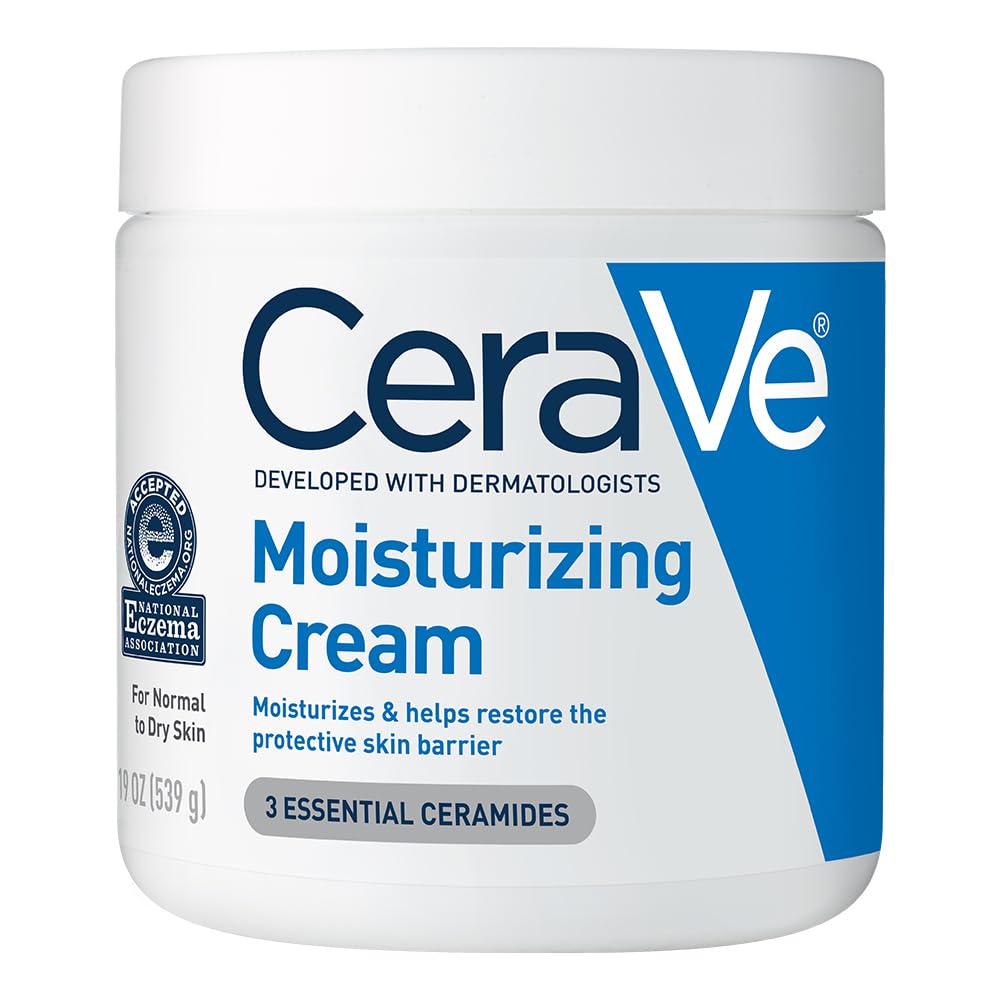
The single most practical and cost-effective fix for anyone whose perfume fades too quickly is not a different fragrance — it is the right moisturiser applied before spraying. CeraVe Moisturising Cream is the dermatologist-recommended standard for this purpose: fragrance-free (essential — any scented moisturiser will interfere with your perfume’s intended character), rich in ceramides and hyaluronic acid that create a genuine lipid-rich base layer on the skin surface, and available in a non-greasy, fast-absorbing formula that won’t feel heavy or interfere with your fragrance’s development. Applied to pulse points 5–10 minutes before your fragrance, it creates a synthetic “oily skin” environment that anchors fragrance molecules and can extend wear time by 2–3 hours on dry or combination skin types. It is the simplest, cheapest, and most scientifically rational intervention available for the perfume-fading problem — and it works on every fragrance, at every concentration, regardless of your skin type.
- Fragrance-Free: Entirely unscented — will not interfere with, alter, or compete with any fragrance you apply on top of it
- Ceramide + Hyaluronic Acid formula: Creates a genuine lipid-rich surface layer that mimics the fragrance-trapping quality of naturally oily skin — the precise mechanism needed to extend longevity
- Dermatologist tested: Non-comedogenic, non-irritating, suitable for all skin types including sensitive skin — safe to apply to pulse points daily
- Longevity benefit: Documented 2–3 hour extension in fragrance wear time when applied before spraying on dry skin types
- Value: Exceptional cost-per-use — one large tub provides hundreds of applications at a fraction of the cost of any fragrance upgrade
- Application timing: Allow 5–10 minutes for the moisturiser to fully absorb before applying fragrance — applying immediately after can dilute the initial spray rather than anchoring it
- Oily skin types: Those with naturally oily skin will see minimal additional longevity benefit from moisturiser application — the natural skin oils already perform this function adequately
- Texture: The cream formula is richer than a standard lotion — those preferring a lighter texture for daytime use may prefer CeraVe’s lotion variant for pulse point application
- Not a full solution: Moisturiser extends longevity but cannot compensate for a very low-concentration fragrance or an entirely top-note-dominant formula — combine with the other fixes in this guide for best results
Best for: Anyone with dry or combination skin who consistently finds that their perfume fades faster than expected. The single highest-ROI intervention in the perfume longevity toolkit — works on every fragrance, costs very little, and requires zero change to your existing fragrance collection.
The Complete Fragrance Longevity Checklist
- ✅ Before your shower: Check your fragrance is stored in a cool, dark, dry location — not the bathroom shelf
- ✅ After showering: Apply an unscented moisturiser (CeraVe, Vaseline, jojoba oil) to your key pulse points — inner wrists, neck, inner elbows
- ✅ Wait 5–10 minutes for the moisturiser to absorb fully before applying fragrance
- ✅ Spray fragrance on warm pulse points: inner wrists, sides of the neck, behind the ears, inner elbows, chest. Hold the bottle 5–7 inches from skin for optimal atomisation
- ✅ Do NOT rub wrists together — let the fragrance dry naturally. Hold wrists apart for 30 seconds
- ✅ Apply to clothing for extended longevity — a light spray on a scarf, shirt collar, or jacket lining holds fragrance for 8–12 hours or more. Test on a hidden area first
- ✅ Carry a travel atomiser for midday reapplication — most EDTs benefit from a light top-up after 4–5 hours in air-conditioned environments
- ✅ In warm weather: Apply to cooler pulse points (inner elbows, behind knees) rather than the neck, where heat accelerates evaporation faster
- ❌ Never store fragrance in bathrooms, on windowsills, near radiators, or in cars
- ❌ Never apply perfume to dry, unmoisteurised skin if longevity matters to you
Frequently Asked Questions
Q: Why does my perfume last longer on my friends than on me?
Skin chemistry — specifically the lipid (oil) content, pH level, and hydration of your skin — is the primary variable that explains why the same fragrance performs differently across different people. Naturally oily skin traps fragrance molecules in the skin’s surface lipid layer and releases them gradually over many hours. Drier skin lacks this lipid layer and allows molecules to evaporate directly into the air. Hydration also plays a role: applying fragrance to slightly moist skin (after a shower, or after moisturising) consistently improves longevity. Your friend’s longer-lasting perfume experience almost certainly reflects a combination of their skin type and their application habits.
Q: Does more expensive perfume automatically last longer?
Not necessarily — and this is one of the most persistent misconceptions in fragrance. Longevity is determined by concentration, base note architecture, and ingredient quality — none of which are directly correlated with price. A $50 EDP built on an ambroxan-patchouli-amber base will outlast a $300 EDT dominated by citrus top notes. However, higher-quality natural raw materials and more complex fixative systems — which do tend to appear in more expensive formulations — can provide more nuanced and sustained longevity than cheap synthetics. The relationship between price and longevity is real but indirect: look at the note structure and concentration, not the price tag, when evaluating a fragrance’s longevity potential.
Q: Can I make my Eau de Toilette last as long as an EDP?
You can significantly extend an EDT’s performance with the right preparation — moisturised skin, pulse point application, clothing spraying — but you cannot fully compensate for the concentration difference. An EDT at 8–12% oil will always evaporate faster than an EDP at 15–20%, all other variables equal. The practical sweet spot: prepare your skin properly, apply the EDT to both pulse points and clothing, and carry a travel atomiser for reapplication at the 4-hour mark. With this approach, a quality EDT can deliver 6–7 hours of reasonable performance — not EDP longevity, but meaningfully longer than an EDT applied carelessly to unmoisteurised skin.
Q: Why does my perfume smell stronger to others than it does to me after a while?
This is olfactory fatigue — your brain’s adaptive filtering mechanism. After continuous exposure to the same scent for 20–30 minutes, your olfactory receptors reduce their sensitivity to that stimulus to prevent sensory overload. The fragrance molecules are still fully present on your skin; your brain has simply stopped consciously registering them. This is why others who encounter you after you have been wearing a fragrance for an hour immediately notice it, while you have stopped perceiving it entirely. The simple self-test: move away from a fragrant environment for 15–20 minutes (step outside, go to a different room), then smell your wrist again. The fragrance will have “returned” — because your olfactory system’s sensitivity has reset.
Q: How long should a quality EDP realistically last on my skin?
A quality Eau de Parfum, applied correctly to moisturised skin at warm pulse points, should last 6–10 hours on most skin types under normal conditions. EDPs built on particularly tenacious base notes — Ambroxan (Dior Sauvage EDP), Cashmeran (Alien), patchouli (Tom Ford Black Orchid) — regularly exceed 10 hours and can extend to 12+ hours on clothing. Performance below 4 hours from an EDP suggests either dry skin that needs moisturising before application, a formula that is more EDT-weight in its actual oil concentration (some EDPs are closer to strong EDTs in practice), exposure to heavy air conditioning or wind, or a fragrance that is dominated by top notes rather than base note anchors.
The Bottom Line: Longevity Is a System, Not a Lottery
Perfume fading quickly is almost never the fragrance’s fault. It is a predictable consequence of identifiable, fixable variables — and once you understand the system, you can take control of your fragrance’s performance on any given day.
Moisturise before you spray. Apply to warm pulse points. Don’t rub your wrists. Store your bottle away from the bathroom. Choose a formula with tenacious base notes. Understand that citrus will always fade fast, and plan accordingly. These are not complex changes. They are small shifts in habit that, applied consistently, transform a fragrance’s performance from disappointing to genuinely all-day.
Your fragrance is not broken. It just needs a better system around it.
Related Posts from PerfumeLead
- How to Spot Fake Perfumes Using Batch Codes — If your perfume fades unusually quickly despite correct application, counterfeiting may be a factor. Learn to verify authenticity with our complete batch code guide.
- How to Choose a Confidence Scent: The Science of Citrus and Woods — The woody base notes that give confidence fragrances their authority are the same tenacious molecules that give them outstanding longevity. Discover the full science here.
- The Rise of Biotech Sandalwood: Why Ethical Fragrance Is the Future — Sandalwood is one of perfumery’s most tenacious base notes. Discover how biotech is making this longevity-enhancing ingredient sustainable and accessible.
- Scentbird vs Scentbox: Which Fragrance Subscription Is Worth Your Money in 2026? — A fragrance subscription is an ideal way to test longevity on your own skin before committing to a full bottle. Compare the two leading services here.
- A Beginner’s Guide to Perfume Types — Understanding the difference between EDT, EDP, and Parfum concentrations is the foundational step to solving the perfume longevity problem permanently.
Disclaimer: This post contains Amazon affiliate links. If you purchase through these links, we may earn a small commission at no additional cost to you. All product recommendations are based on fragrance research and community-verified performance data. Individual results will vary based on skin type, body chemistry, climate, and application technique.

:quality(85):extract_cover()/2022/12/12/951/n/1922153/620868d86397a1f6a2f190.46411164_.jpg "5 Top TikTok Viral Perfumes You Need to Try")