Lavender in Men’s Fragrances: Beyond the Barbershop Stereotype
When most men hear “lavender fragrance,” their minds immediately jump to powdery barbershop aftershaves and their grandfather’s medicine cabinet. But this narrow perception does a profound disservice to one of perfumery’s most versatile and historically significant ingredients. Lavender is far more than just the backbone of fougère classics—it’s a chameleon note that spans from fresh and aromatic to deep and leathery, from traditionally masculine to boldly unisex.
In this comprehensive exploration, we’ll dismantle the stereotypes and reveal how modern perfumers are reimagining lavender for contemporary masculinity. Whether you’re a fragrance enthusiast seeking to expand your horizons or a newcomer intimidated by the purple flower’s reputation, prepare to discover lavender’s true potential.
Debunking the Myth: Lavender Isn’t Just for Barbershops
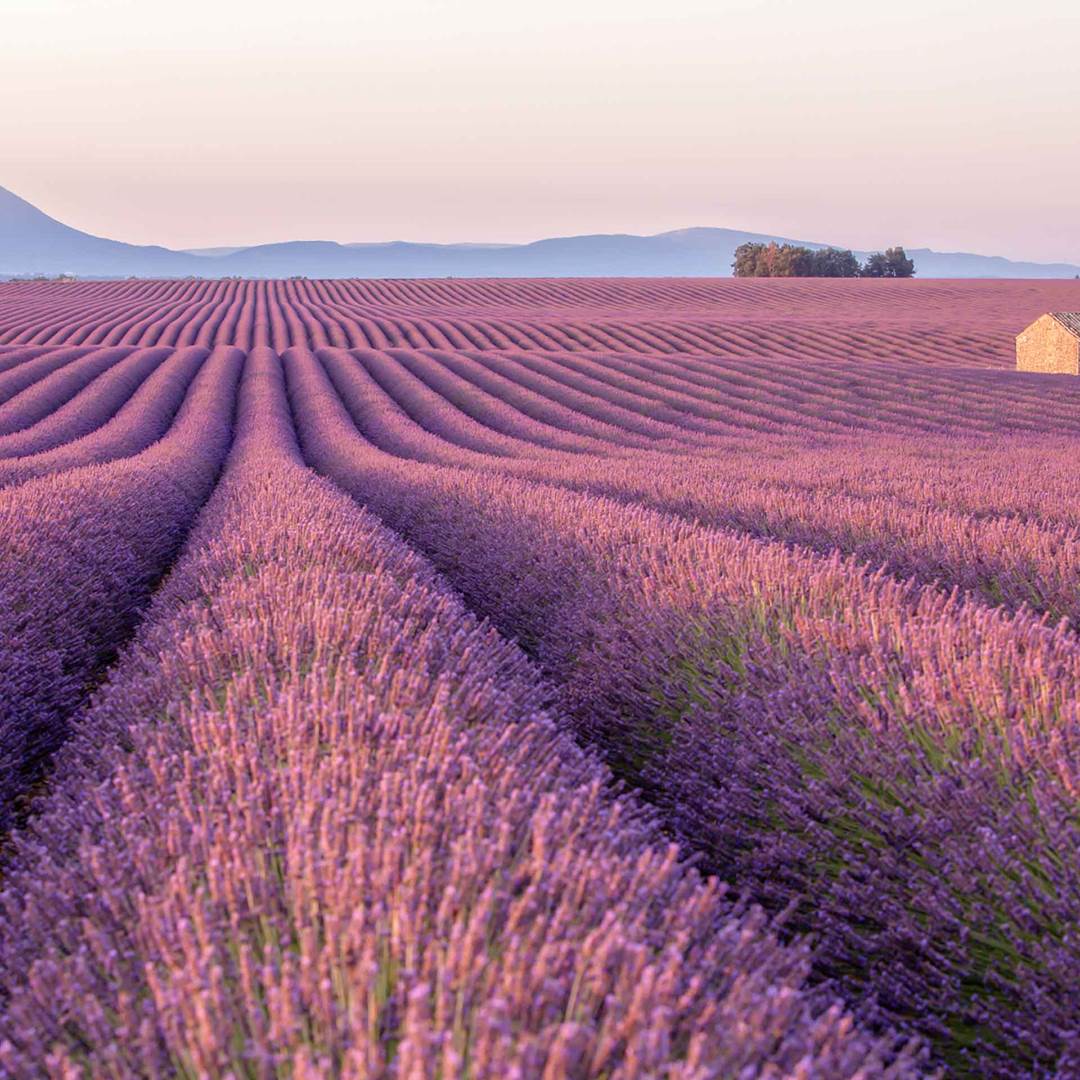
The association between lavender and traditional barbershops isn’t unfounded—it’s deeply rooted in history. Since the 1880s, lavender has formed the aromatic backbone of the fougère family, creating that distinctive clean, powdery scent profile millions associate with professional shaves and hot towels. But reducing lavender to this single application ignores centuries of diverse use across cultures and genders.
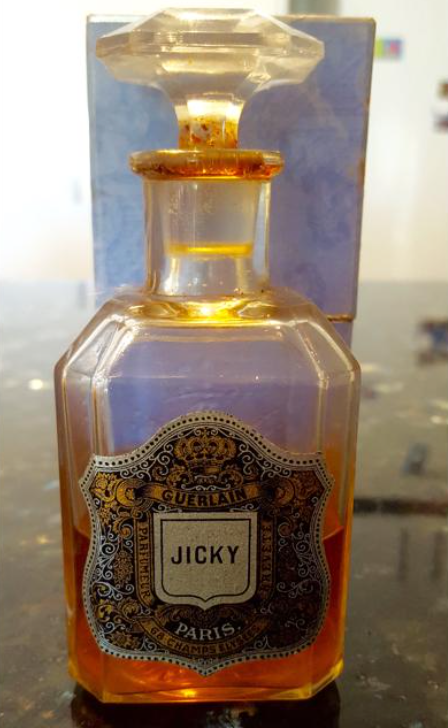
The reality is far more nuanced. Lavender appears in some of the most celebrated masculine fragrances ever created, from the groundbreaking Guerlain Jicky (1889) to modern niche masterpieces. It serves different functions depending on concentration, accompanying notes, and the perfumer’s vision:
- As a fresh top note: Providing immediate brightness and cleanliness in citrus-forward compositions
- As an aromatic heart: Bridging herbal and floral elements with its complex, camphoraceous character
- As a grounding base: Adding depth and longevity when used in higher concentrations or absolute form
- As a unifying accord: Harmonizing disparate elements through its versatile, adaptable nature
The Historical Journey: From Roman Baths to Modern Masculinity
Lavender’s relationship with masculinity predates the barbershop era by millennia. The ancient Romans infused their bathwater with lavender—indeed, the name derives from the Latin lavare, meaning “to wash.” Roman soldiers carried it for treating battle wounds, recognizing its antiseptic properties. This medicinal association persisted through the Middle Ages, when lavender was a staple in monastery gardens and apothecary shops.
The 19th century marked lavender’s transition from practical remedy to perfumery star. Aimé Guerlain’s Jicky, created in 1889, revolutionized fragrance by combining natural lavender with synthetic coumarin, establishing a template for masculine scents that would dominate for decades. Yet even within this traditional framework, lavender proved remarkably adaptable.
The 20th century saw lavender oscillate between mainstream acceptance and niche sophistication. While drugstore aftershaves cemented its “old man” reputation in popular culture, haute perfumery houses continued exploring its boundaries. Chanel Pour Monsieur (1955) demonstrated lavender’s capacity for elegance, while Christian Dior’s Eau Sauvage (1966) proved it could feel utterly modern and vibrant.
Today’s fragrance landscape reveals lavender’s full spectrum. Niche houses like Maison Francis Kurkdjian, Le Labo, and Byredo treat lavender as a sophisticated raw material rather than a nostalgic trope, creating compositions that challenge preconceptions about gender and genre.
The Science of Scent: Why Lavender Works for Men
Understanding lavender’s chemical composition explains its remarkable versatility. The essential oil contains over 100 compounds, with linalool and linalyl acetate dominating. These molecules interact with human physiology in fascinating ways:
| Compound | Olfactory Character | Psychological Effect |
|---|---|---|
| Linalool | Fresh, floral, slightly woody | Calming, stress-reducing |
| Linalyl Acetate | Sweet, fruity, herbaceous | Uplifting, balancing |
| Camphor | Sharp, medicinal, cooling | Invigorating, focusing |
| Cineole | Fresh, eucalyptus-like | Clearing, energizing |
| Borneol | Earthy, balsamic, peppery | Grounding, centering |
This chemical complexity allows perfumers to emphasize different aspects through distillation methods and blending. Steam-distilled lavender essential oil preserves the full aromatic profile, while fractional distillation can isolate specific characteristics. Lavender absolute, extracted through solvent processes, offers a deeper, more honeyed, and less camphoraceous profile suitable for rich, oriental compositions.
Modern Lavender Archetypes: Beyond the Powdery Fougère
Contemporary perfumery has liberated lavender from its barbershop confines. Here are the primary categories where lavender shines in modern masculine fragrances:
The Fresh-Aromatic Vanguard
These compositions emphasize lavender’s clean, invigorating qualities without descending into powdery territory. They often pair lavender with citrus, herbs, and modern aquatic or metallic notes.
Standout Examples:
- Le Labo Lavande 31: A minimalist interpretation featuring lavender absolute with amber, musk, and tonka bean. The result is clean yet sophisticated, devoid of powderiness.
- Byredo Blanche: While marketed as a white floral, its lavender component provides an aromatic backbone that keeps the composition grounded and unisex.
- Calvin Klein CK One: The original unisex blockbuster uses lavender alongside bergamot and green tea for a fresh, youthful profile that transcends gender.
The Leather-Lavender Fusion
One of perfumery’s most successful marriages, leather and lavender create compositions of striking masculinity and sophistication. The floral-herbal element softens leather’s austerity while adding complexity.
Standout Examples:
- Guerlain Jicky: The ur-example, combining lavender with civet, vanilla, and leather notes for a fragrance that feels both vintage and timeless.
- Chanel Cuir de Russie: Lavender plays a supporting role in this leather masterpiece, providing aromatic lift against birch tar and tobacco.
- Tom Ford Tuscan Leather: While primarily a leather fragrance, lavender in the opening provides crucial freshness before the suede and raspberry notes dominate.
The Oriental-Lavender Synthesis
Combining lavender with vanilla, amber, spices, and resins creates fragrances of unexpected warmth and depth. These compositions challenge the notion that lavender must feel cold or clinical.
Standout Examples:
- Guerlain Shalimar: Though often considered a women’s fragrance, its lavender-bergamot opening and vanilla-opulent base have attracted male devotees for nearly a century.
- Yves Saint Laurent Opium Pour Homme: Lavender provides aromatic counterpoint to rich spices, vanilla, and woods in this bold oriental.
- Amouage Interlude Man: Lavender appears amidst oregano, amber, and frankincense, creating a complex, contemplative masculine scent.
The Green-Chypre Revival
Chypre fragrances—built on oakmoss, labdanum, and bergamot—have found new life through lavender integration. These compositions feel sophisticated, mature, and distinctly masculine without being dated.
Standout Examples:
- Chanel Pour Monsieur: The definitive masculine chypre, where lavender bridges citrus top notes and the oakmoss-labdanum base.
- Dior Eau Sauvage: Lavender and citrus create an effervescent opening that settles into a refined vetiver and oakmoss drydown.
- Acqua di Parma Colonia: Classic lavender meets Sicilian citrus in this timeless Italian composition.
The Avant-Garde Interpretations
Niche and artisanal perfumers are pushing lavender into unexpected territory—smoky, gourmand, aquatic, and even industrial realms.
Standout Examples:
- Maison Margiela Replica At The Barber’s: While barbershop-inspired, it adds basil, black pepper, and tonka for a contemporary twist.
- L’Artisan Parfumeur Passage d’Enfer: Lavender appears alongside incense and lily, creating a meditative, almost spiritual atmosphere.
- Serge Lutens Gris Clair: Lavender meets amber, iris, and incense in a composition that feels both familiar and alien.
Lavender and Gender: The Unisex Revolution
Perhaps the most significant development in lavender’s modern story is its role in the unisex fragrance movement. As traditional gender boundaries in perfumery dissolve, lavender has emerged as a universal language—familiar enough to comfort, complex enough to intrigue.
Historical context illuminates this evolution. Until the 20th century, fragrance wasn’t strictly gendered—men wore florals, women wore spices, and lavender belonged to everyone. The marketing-driven segmentation of scents into “masculine” and “feminine” categories is a relatively recent phenomenon, largely a creation of mid-20th century advertising.
Today’s consumers increasingly reject these artificial divisions. Lavender’s presence in successful unisex fragrances reflects this cultural shift:
- Le Labo explicitly markets most of their lavender-containing fragrances as unisex
- Byredo uses lavender in compositions designed for “people,” not gender categories
- Escentric Molecules incorporates lavender in their minimalist, universally appealing aesthetic
- Diptyque has long treated lavender as a gender-neutral botanical
This democratization extends to marketing and retail. Major department stores now organize fragrances by olfactory family or mood rather than gender, and online retailers use tags like “fresh,” “woody,” or “spicy” instead of “for him” or “for her.
Regional Variations: Lavender Around the World
Not all lavender is created equal. The plant’s growing conditions profoundly impact its olfactory profile, creating distinct regional characteristics that perfumers leverage for different effects.
Provence, France
The gold standard for fine fragrance lavender. The high altitude, limestone soil, and Mediterranean climate of Provence produce lavender with the perfect balance of linalool and linalyl acetate. Grasse, the perfume capital, sits at the heart of this region. French lavender tends toward the sweet-herbal, with subtle fruity undertones and excellent tenacity.
Bulgaria
Bulgarian lavender has gained prestige in recent decades, often rivaling French quality. It tends to be cleaner and more aromatic, with slightly higher camphor content. Many niche perfumers now specify Bulgarian lavender for its crisp, modern character.
England
English lavender, particularly from the Cotswolds and Norfolk, carries a distinctive tea-like quality. It’s often less sweet than French varieties, with pronounced herbal and slightly minty facets. Traditional English lavender waters and colognes favor this profile.
Australia and New Zealand
Newer cultivation regions are producing interesting variations. Tasmanian lavender, grown at high southern latitudes, offers unique chemical profiles that some perfumers find intriguingly different from European counterparts.
| Origin | Primary Character | Best Used For |
|---|---|---|
| Provence, France | Sweet-herbal, fruity, balanced | Classic fougères, fine fragrances |
| Bulgaria | Clean, aromatic, camphoraceous | Modern fresh scents, aromatherapy |
| England | Herbal, tea-like, minty | Colognes, traditional lavender waters |
| Tasmania | Fresh, unique terroir notes | Niche and experimental compositions |
How to Wear Lavender: A Modern Guide
Integrating lavender into your fragrance wardrobe requires understanding context, concentration, and combination. Here’s how to do it right:
Office and Professional Settings
Lavender’s association with cleanliness makes it ideal for professional environments—but choose wisely. Avoid heavy powdery fougères that might read as dated. Instead, opt for:
- Fresh-aromatic lavender with citrus and herbs
- Light lavender-wood combinations
- Minimalist lavender-musk scents
Apply conservatively—two to three sprays maximum. Lavender projects more than you might expect.
Evening and Formal Occasions
Richer lavender compositions shine after dark. Look for:
- Lavender-leather combinations
- Lavender in oriental bases with vanilla and amber
- Lavender paired with precious woods like sandalwood or oud
These compositions offer sophistication without the aggressive projection of heavy spices or loud gourmands.
Casual and Weekend Wear
Lavender’s versatility extends to relaxed settings. Consider:
- Lavender-citrus colognes for warm weather
- Lavender-gourmand blends (lavender and vanilla, lavender and almond)
- Aromatic lavender with rosemary and sage for outdoor activities
Seasonal Considerations
🌸
Spring
Fresh lavender with green notes, light woods, and citrus. Emphasize the botanical, garden-fresh aspect.
☀️
Summer
Lavender colognes and eaux fraîches. Pair with marine notes, citrus, and light musks for cooling effect.
🍂
Autumn
Transition to richer lavender-leather and lavender-spice combinations. Add warmth through amber and woods.
❄️
Winter
Full-bodied lavender orientals and chypres. Embrace powder and resin alongside deep lavender notes.
Building a Lavender Fragrance Collection
For those convinced of lavender’s merits, building a curated collection allows exploration of its full range. Consider this framework:
STEP 1
The Fresh Foundation
Start with a versatile, modern lavender that defies stereotypes. Le Labo Lavande 31 or Byredo Blanche offer accessible entry points that feel contemporary and clean.
STEP 2
The Classic Reference
Acquire a historically significant lavender fragrance to understand the note’s heritage. Guerlain Jicky or Chanel Pour Monsieur provide essential education.
STEP 3
The Bold Experiment
Add something unexpected—lavender paired with challenging notes like smoke, leather, or unconventional spices. Serge Lutens Gris Clair or Amouage Interlude Man fit this category.
STEP 4
The Seasonal Specialist
Include lavender fragrances suited to specific seasons or occasions—a light cologne for summer, a rich oriental for winter, something specifically for evening wear.
Common Mistakes to Avoid
Assuming All Lavender is Powdery
This stereotype prevents exploration of fresh, citrusy, woody, and leather lavender compositions that bear no resemblance to barbershop tropes.
Over-Application
Lavender projects and persists. Start with fewer sprays than usual and build up if needed. Overspraying turns even the finest composition cloying.
Ignoring Quality Differences
Drugstore lavender products often use synthetic linalool without the complexity of true lavender oil. Invest in quality to experience the note’s full potential.
Dismissing It as “Feminine”
Lavender has no gender. Some of history’s most celebrated masculine fragrances center on lavender. Let your nose, not marketing, guide you.
Storing Improperly
Lavender essential oil oxidizes over time, turning harsh and unpleasant. Store lavender fragrances away from heat and light, and use within 3-5 years.
The Future of Lavender in Masculine Perfumery
Looking ahead, lavender’s role in men’s fragrances appears secure and expanding. Several trends point toward continued evolution:
Sustainable Sourcing: Climate change threatens traditional lavender cultivation in Provence, driving interest in alternative growing regions and sustainable harvesting practices. Expect to see more Bulgarian, Tasmanian, and even North American lavender in fine fragrances.
Molecular Exploration: Advances in fragrance chemistry allow perfumers to isolate and amplify specific lavender compounds. We may see “customized” lavender profiles emphasizing particular facets—extra linalool for calm, enhanced camphor for energy.
Gender Fluidity: As fragrance marketing continues moving away from binary gender classification, lavender’s inherent neutrality positions it perfectly for the unisex future.
Wellness Integration: Growing awareness of aromatherapy benefits may drive lavender’s inclusion in “functional” fragrances designed for sleep, focus, or stress relief—markets traditionally underserved by masculine scent offerings.
FAQ
Is lavender actually masculine, or is it just marketing?
Lavender has no intrinsic gender—it’s a botanical ingredient used across all fragrance categories. Historical marketing created associations with masculinity (fougères, barbershops) and femininity (lavender waters, floral bouquets), but the molecule itself is neutral. Modern perfumery increasingly recognizes this, placing lavender in genuinely unisex contexts.
Why does lavender sometimes smell like “old lady” perfume?
This perception usually stems from exposure to low-quality lavender products or specific vintage formulations heavy on powdery notes. High-quality lavender in modern compositions smells fresh, clean, and sophisticated. If you’ve only encountered lavender in cheap soaps or dated fragrances, you’re missing its true potential.
Can I wear lavender fragrances in summer, or are they too heavy?
Absolutely—lavender is excellent for summer when chosen correctly. Look for lavender-citrus colognes, lavender-aromatic fresh scents, or compositions with marine notes. Avoid heavy lavender-vanilla or lavender-powder fragrances in high heat. Many Mediterranean cultures have worn lavender in warm climates for centuries.
What’s the difference between lavender essential oil and lavender absolute?
Lavender essential oil is steam-distilled, capturing the plant’s volatile aromatic compounds—fresh, herbal, slightly camphoraceous. Lavender absolute uses solvent extraction, yielding a deeper, more honeyed, less sharp profile with higher tenacity. Perfumers choose between them based on desired effect; essential oil for brightness, absolute for depth.
Are there any celebrities or public figures known for wearing lavender fragrances?
While specific fragrance choices are often private, lavender has attracted notable devotees. Prince was known to wear Guerlain Jicky, and David Bowie reportedly favored lavender-scented products. In contemporary culture, lavender appears frequently in “stealth wealth” and quiet luxury aesthetics, appealing to those who prefer understatement.
How do I introduce lavender fragrances to someone skeptical of “floral” scents?
Start with compositions that don’t read as obviously floral. Le Labo Lavande 31 emphasizes the clean, musky aspects; Tom Ford fragrances often use lavender as a supporting note rather than star; aromatic lavender with herbs and citrus feels more “cologne” than “flower.” Avoid anything with prominent powder or vanilla initially.
Key Takeaways
- Lavender spans far beyond the barbershop stereotype, appearing in fresh, leather, oriental, chypre, and avant-garde masculine fragrances
- The note’s chemical complexity allows perfumers to emphasize different characteristics—from medicinal and camphoraceous to sweet and honeyed
- Regional variations (French, Bulgarian, English, Tasmanian) offer distinct profiles for different applications
- Modern niche and artisanal perfumery has liberated lavender from dated gender associations
- Quality matters significantly; cheap lavender products rarely represent the note’s true potential
- Proper application and seasonal selection maximize lavender’s versatility
- The future points toward sustainable sourcing, molecular customization, and continued unisex appeal
Summary
Lavender in men’s fragrances represents far more than a nostalgic nod to barbershops past. It is a sophisticated, versatile ingredient capable of expressing masculinity in all its modern complexity—from fresh and athletic to deep and contemplative, from traditionally rugged to elegantly refined.
The stereotype of lavender as merely powdery and old-fashioned persists only among those who haven’t explored its full range. Contemporary perfumery offers lavender compositions that rival any other note in complexity and appeal. Whether you seek a signature scent for the office, something bold for evening wear, or simply wish to expand your fragrance horizons, lavender deserves serious consideration.
The purple flower that scented Roman baths and perfumed Victorian dandies continues to evolve. Its future in masculine fragrance is not as a relic of the past, but as a vital, adaptable element of perfumery’s ongoing story. The question is no longer whether men can wear lavender—it’s which lavender they’ll choose to express their individual style.
Ready to Explore Lavender Fragrances?
Discover the perfect lavender scent for your collection. From niche artisanal creations to classic heritage houses, find your signature today.
Fragrance preferences are highly individual. We recommend sampling before purchasing full bottles. Some links may be affiliate links, which help support our content creation at no additional cost to you.