
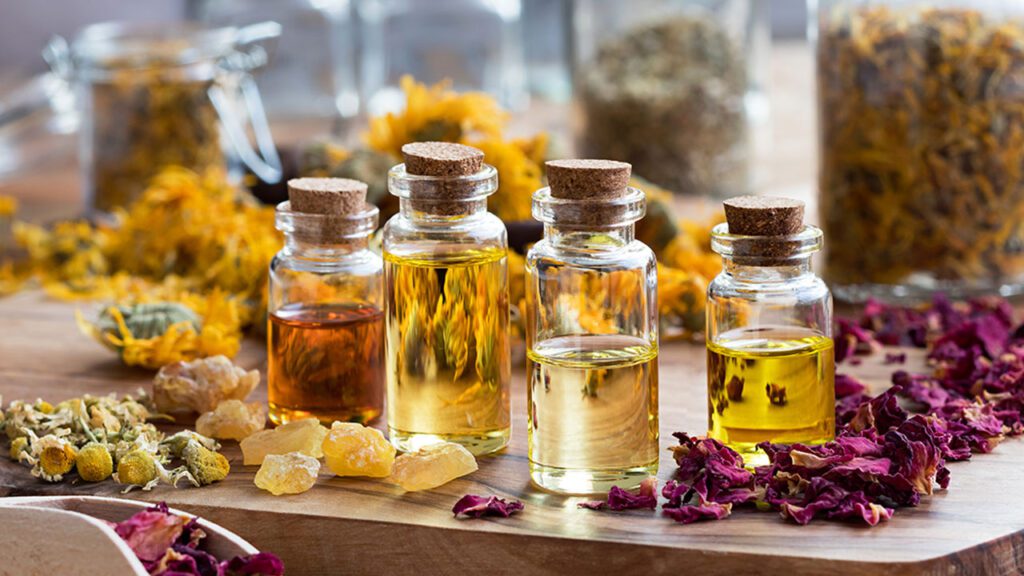

Stress-Relief in a Bottle: Why Lavender and Bergamot are Trending in 2026
In 2026, lavender and bergamot have moved from niche aromatherapy staples to the front shelves of global perfumery — and the science explains exactly why. Lavender’s key compounds, linalool and linalyl acetate, directly reduce cortisol levels and calm the nervous system, while bergamot’s limonene and alpha-pinene activate mood-lifting neurotransmitters and ease anxiety. Together, they form nature’s most clinically validated stress-relief fragrance pairing. This guide breaks down the neuroscience, explores why these scents are dominating 2026 wellness and fragrance trends, and reveals the top products to experience their benefits for yourself.
We live in an age of chronic overload. Inboxes that never empty. Notifications that never stop. Deadlines that stack faster than you can clear them. It’s no wonder that by 2026, the global wellness industry has pivoted hard toward a deceptively simple solution: scent.
Lavender and bergamot aren’t new discoveries. Lavender has been cultivated for over 2,500 years, used by ancient Egyptians for mummification and by Roman soldiers to disinfect wounds and soothe battle fatigue. Bergamot, the small bitter citrus native to Calabria in southern Italy, has flavoured Earl Grey tea for centuries and anchored some of the world’s most iconic fragrances. But what’s new in 2026 is the weight of scientific evidence confirming what generations of healers intuited: these two botanical ingredients hold genuine, measurable power over the human stress response.
According to industry analysts at Cosmetics Design Europe, fragrance in 2026 is firmly rooted in wellbeing — with notes like lavender and bergamot increasingly sought after specifically for their soothing, mood-uplifting, and stress-reducing properties. The trend isn’t just about smelling good. It’s about feeling better.
Why Lavender and Bergamot Are Trending in 2026
Several cultural and scientific forces have converged to put lavender and bergamot at the very top of fragrance trend reports for 2026.
1. The Wellness Fragrance Movement
The post-pandemic years accelerated a global shift in consumer priorities, with stress management, sleep quality, and mental wellbeing now core drivers of purchasing decisions across beauty, fragrance, and self-care. O&3’s 2026 Trend Report identifies “functional minimalism” as the dominant fragrance movement of the year — the idea that every ingredient in a product should do something meaningful. Lavender and bergamot are the poster children of this movement: deeply pleasant to wear and clinically supported for stress reduction.
2. The Rise of #FragranceTok and Informed Consumers
Social media, particularly fragrance communities on TikTok and Instagram, has transformed perfume buyers from passive shoppers into educated note-hunters. Consumers in 2026 know what linalool is. They research what bergamot does to cortisol before they purchase. This intelligence has created enormous demand for fragrances built on botanicals with documented therapeutic benefits — and lavender and bergamot top that list by a significant margin.
3. Clinical Research Reaching Mainstream Awareness
The peer-reviewed research has been building for decades, but 2024 and 2025 saw landmark studies that received widespread mainstream coverage. A 2024 study published in Advanced Science by Wiley mapped the precise neural circuit through which bergamot essential oil produces its anxiolytic effects — tracing a pathway from the anterior olfactory nucleus to the anterior cingulate cortex, a region directly involved in emotional processing and stress regulation. This level of neuroscientific precision has given lavender and bergamot credibility that no marketing campaign could manufacture.
4. Oil-Based and Functional Fragrance Formats
Alongside the ingredient trend, the format of fragrance is evolving. As O&3 reports, solid balms, roll-ons, and oil-based fragrances are growing rapidly in 2026 because they align with consumer desire for cleaner ingredient lists, portability, and skin-nourishing multi-functionality. These formats particularly suit lavender and bergamot, which perform exceptionally in oil systems and are well-suited to the “pocket-sized stress ritual” that modern consumers are actively seeking.
The Science of Lavender: Nature’s Most Studied Calming Scent
Lavender’s reputation as a relaxation aid is not folklore — it is among the most extensively studied plants in all of aromatherapy science. Its primary active compounds, linalool and linalyl acetate, interact directly with the brain’s GABAergic system — the same inhibitory neurotransmitter system targeted by anti-anxiety medications like benzodiazepines — but without the risk of dependence or sedation side effects.
When you inhale lavender, the scent molecules travel through the nasal cavity and reach the olfactory receptors, which fire signals directly to the limbic system — specifically the amygdala and hippocampus. These structures govern emotional memory, fear response, and the autonomic nervous system. The result is a measurable reduction in heart rate, blood pressure, and salivary cortisol — the primary biomarker of stress in the human body.
A scoping review of essential oil research published in Molecules (MDPI) confirmed that lavender modifies autonomic nervous system activity, improves objective sleep quality, and reduces cortisol and salivary chromogranin A — a secondary stress biomarker. Clinical trials across diverse patient populations, including pre-surgical patients, elderly adults, and individuals with anxiety disorders, have consistently found that lavender aromatherapy produces statistically significant reductions in self-reported anxiety and physiological stress markers.
- Linalool: The primary calming compound, interacts with GABA receptors to produce sedative, anti-anxiety effects. Also shown to have antidepressant-like properties via serotonergic pathway modulation.
- Linalyl Acetate: The secondary compound, contributes to lavender’s characteristic floral-herbaceous scent and amplifies the relaxing effects of linalool.
- Beta-Ocimene: A minor compound that adds a fresh, green dimension and contributes mild mood-lifting effects.
- 1,8-Cineole (Eucalyptol): Present in small amounts, adds a subtle mental clarity component that prevents lavender from feeling overly sedating.
How Lavender Affects the Body: At a Glance
| Physiological Marker | Effect of Lavender Inhalation | Clinical Evidence Level |
|---|---|---|
| Salivary Cortisol (Stress Hormone) | Significant reduction measured post-inhalation | Multiple randomised controlled trials |
| Heart Rate | Decrease in resting and stress-elevated heart rate | Peer-reviewed, replicated findings |
| Blood Pressure | Measurable reduction in both systolic and diastolic | Frontiers in Behavioral Neuroscience, 2021 |
| Anxiety (Self-Report) | Significant reduction across pre-surgical and general population studies | 18-study meta-analysis, Complementary Therapies in Clinical Practice |
| Sleep Quality | Improved objective sleep quality; reduced sleep latency | O&3 Trend Report 2026; multiple clinical reviews |
| Depression Markers | Reduced depression scores in elderly, postpartum, and anxiety disorder populations | MDPI Molecules scoping review (2023) |
The Science of Bergamot: The Bright Anxiolytic Citrus
Bergamot occupies a unique position in fragrance science. Most citrus oils are primarily energising — they boost alertness and mood. Bergamot does this too, but it adds a clinically validated anxiolytic dimension that sets it apart from every other citrus in perfumery. It calms without sedating. It uplifts without overstimulating. It is, in the language of functional fragrance, a scent that creates what researchers call “alert relaxation.”
Bergamot essential oil (BEO) is extracted from the rind of the bergamot orange (Citrus bergamia) and is rich in linalyl acetate (30–60%), limonene (11–22%), linalool (3–15%), and smaller amounts of alpha-pinene and beta-pinene. Together, these compounds deliver a multi-pathway stress response:
- Limonene deactivates HPA-axis hyperactivity (the hormonal stress command centre), modulates serotonin and dopamine, and has documented anti-avoidance, antidepressant-like effects.
- Linalyl Acetate and Linalool provide the shared calming chemistry with lavender, creating a powerful synergistic effect when the two oils are combined.
- Alpha-Pinene contributes a fresh, forest-like quality while supporting bronchial relaxation and mild anti-anxiety activity.
- Beta-Pinene has demonstrated antidepressant-like effects via interactions with the adrenergic and serotonergic systems.
A landmark crossover study published in Research in Complementary Medicine (Karger, 2015) tested bergamot vapour inhalation on 41 healthy women over 15-minute exposure periods. Salivary cortisol levels under the bergamot condition were significantly lower than both the plain rest and water vapour conditions (p = 0.003). Participants also reported meaningful improvements on the Profile of Mood States and State-Trait Anxiety Inventory — establishing bergamot as a clinically relevant anxiolytic via the inhalation route.
A 2024 study in Advanced Science (Wiley) then took this further by mapping the precise neural circuit involved — identifying that glutamatergic neurons in the anterior olfactory nucleus project to the anterior cingulate cortex to mediate bergamot’s anxiolytic effects. This represents some of the most sophisticated neuroscience ever applied to an aromatherapy ingredient, and it fully validates what traditional medicine had known for centuries.
Unlike lavender, which can promote drowsiness at high concentrations, bergamot produces what HoMedics’ SereneScent research describes as “alert relaxation” — the precise mental state where focus, clarity, and calm converge. This is the productivity sweet spot: neither anxious and wired, nor sleepy and foggy. Bergamot fragrance is ideal for work environments, study sessions, and any situation where you need both calm and mental sharpness.
Why Lavender + Bergamot Is the Ultimate Stress-Relief Combination
Individually, lavender and bergamot are exceptional. Together, they are extraordinary. The combination works on multiple neurochemical levels simultaneously, addressing both the physical symptoms of stress (elevated cortisol, raised heart rate, muscle tension) and the psychological experience of it (anxious thoughts, negative mood, fatigue).
As Island Lavender’s fragrance research describes the pairing: bergamot provides the bright, energetic uplift that prevents lavender from feeling heavy or overly sedating, while lavender grounds bergamot’s citrus sharpness into something warm, harmonious, and deeply calming. The result is a “balanced scent profile” that promotes optimism and cheerfulness while simultaneously keeping you centred and composed.
This is the wellness fragrance ideal for 2026 — not escapism, but emotional regulation. Not numbing, but grounding. Not a luxury indulgence, but a functional daily ritual backed by neuroscience.
| Ingredient | Primary Action | Secondary Action | Together They Create |
|---|---|---|---|
| Lavender | Reduces cortisol, calms ANS | Improves sleep, eases anxiety | Balanced alert relaxation: uplifted yet grounded, focused yet calm — the optimal state for managing everyday stress |
| Bergamot | Elevates mood, sharpens focus | Reduces tachycardia, lifts fatigue |
Top Lavender & Bergamot Stress-Relief Products to Buy in 2026
From designer perfumes to pure essential oils and functional wellness diffusers, here are the standout products for experiencing the lavender-bergamot stress-relief effect in 2026.
1. Jo Malone London Amber & Lavender Cologne — The Classic Lavender-Bergamot Luxury
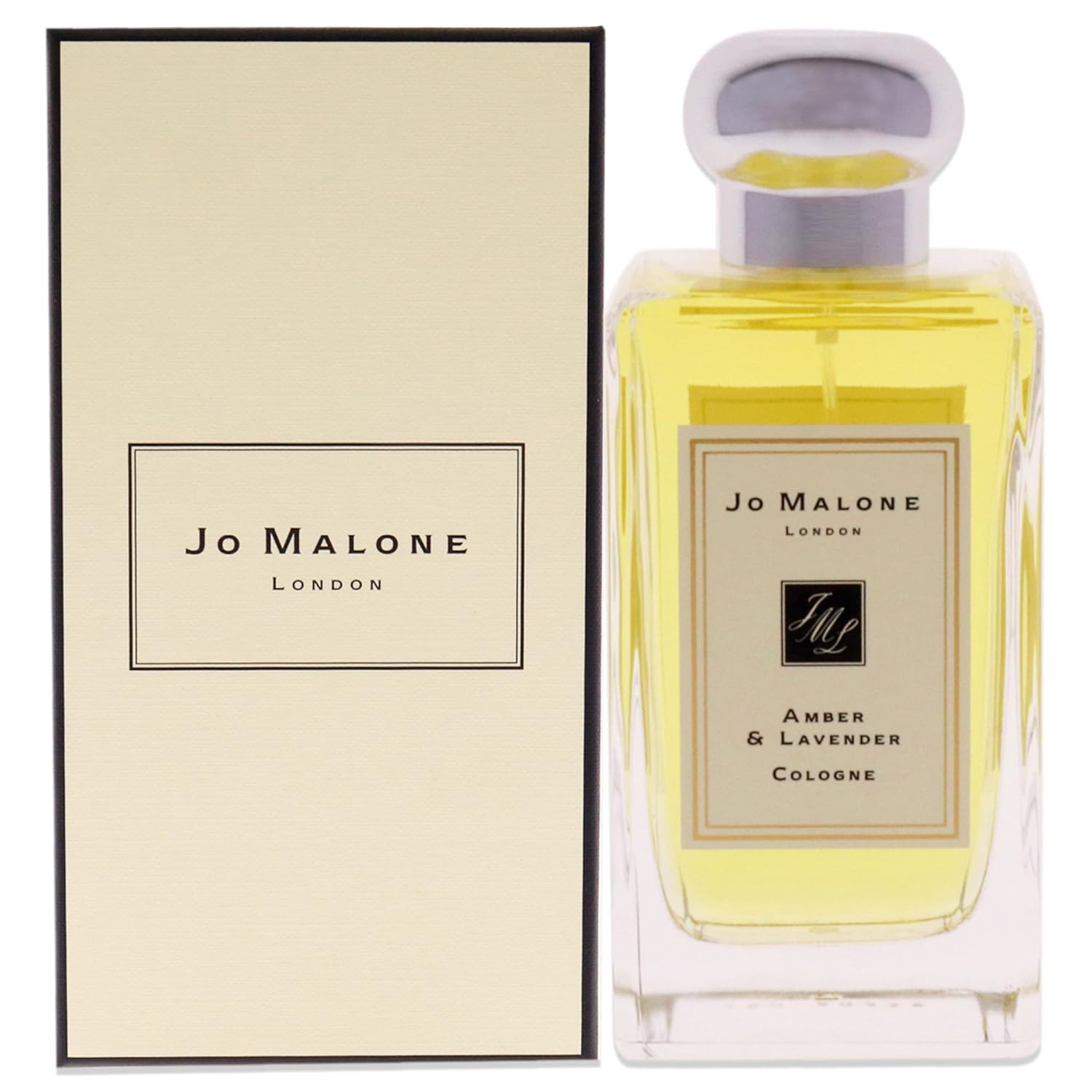
Jo Malone London’s Amber & Lavender is one of the house’s most enduring and beloved compositions, created by master perfumer Bertrand Duchaufour. It opens with a bold, crisp duo of lavender and bergamot — immediately delivering that characteristic fresh-herbal-citrus tension — before settling into a spiced heart of clove and lily of the valley, and ultimately landing on a rich, warm base of amber, patchouli, and myrrh. It is simultaneously a therapeutic experience and a deeply luxurious one: the lavender is natural-smelling and soothing, the bergamot keeps it alive and modern, and the amber base gives it hours of depth and staying power. Fragrantica reviewers consistently praise its ten-hour longevity and moderate-to-strong sillage.

- Top Notes: Lavender, bergamot, mint — an immediate therapeutic-citrus opening that directly targets stress pathways
- Heart Notes: Clove, lily of the valley, cinnamon — warm, spiced complexity that elevates the wellness core
- Base Notes: Amber, patchouli, myrrh — deeply grounding, long-lasting, authoritative warmth
- Longevity: 8–10+ hours — one of Jo Malone’s longest-lasting compositions
- Versatility: Unisex in character; works for both daytime stress management and evening wear
- Character: Leans slightly masculine in its amber-patchouli dry-down — not universally suited to all preferences
- Projection: Projects boldly — one or two sprays is all that’s needed; this is not a shy fragrance
- Price Range: Premium designer pricing (~$130–$170 for 100ml)
- Best Season: Outstanding in cooler months; can feel intense in peak summer heat
Best for: Anyone seeking a sophisticated, long-lasting lavender-bergamot fragrance with genuine therapeutic weight. Ideal for high-stress workdays, travel, and evening occasions.
2. NOW Foods Pure Lavender Essential Oil — The Pure Therapeutic Benchmark
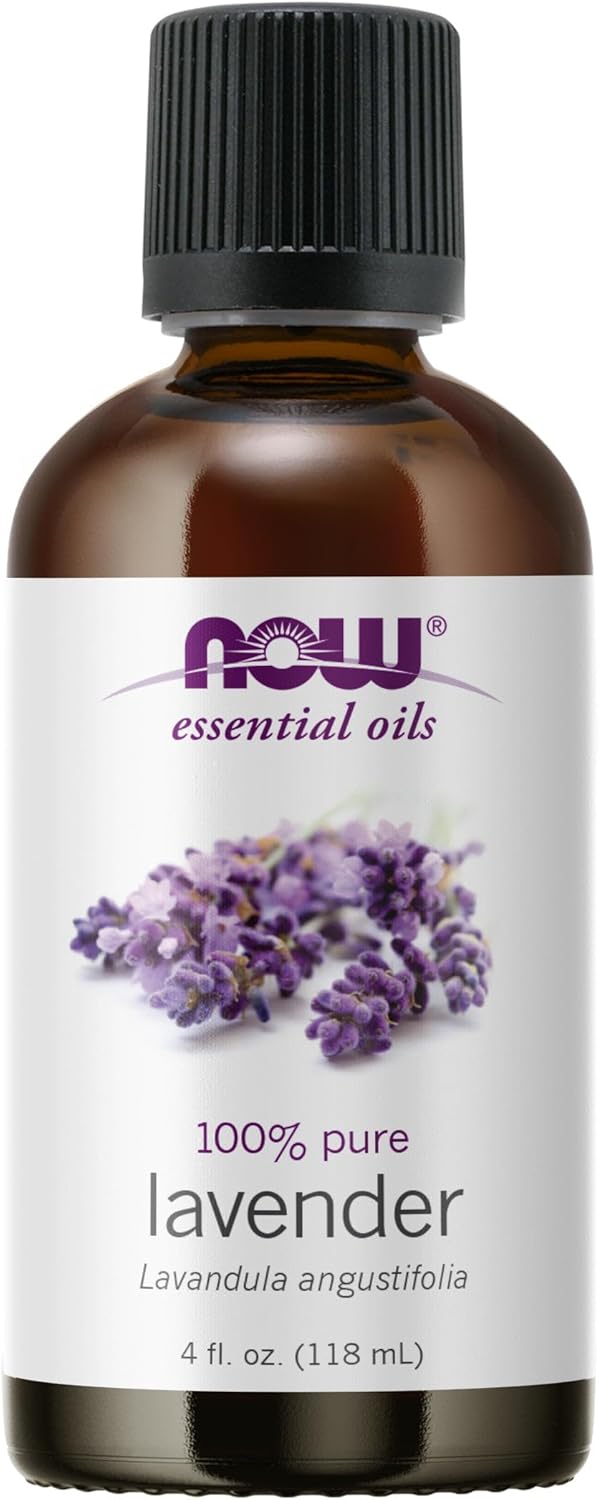
When it comes to experiencing lavender’s full cortisol-reducing, sleep-enhancing, anxiety-easing effects in their most concentrated and clinically relevant form, pure essential oil is the gold standard. NOW Foods’ 100% Pure Lavender Essential Oil is consistently rated among the best value, third-party tested lavender oils on the market. Steam-distilled from Lavandula angustifolia — the botanical species with the highest linalool and linalyl acetate content and the strongest clinical evidence — it delivers the genuine therapeutic profile studied in academic research. Use it in a diffuser for ambient stress relief, diluted in a carrier oil for topical application, or added to a bath for a full-body relaxation ritual.
- Purity: 100% pure, undiluted Lavandula angustifolia — the species with the most robust clinical evidence for stress relief
- Third-Party Tested: GC/MS quality tested — consistent linalool and linalyl acetate content verified per batch
- Versatility: Diffuser, topical (diluted), bath, pillow spray, massage — maximum flexibility of use
- Value: Excellent quality-to-price ratio; among the most affordable premium-grade lavender oils available
- Certification: Non-GMO Project verified; produced in GMP-certified facilities
- Application: Requires dilution in a carrier oil before any topical use — never apply undiluted essential oil directly to skin
- Experience: A pure therapeutic oil rather than a wearable perfume — not a direct fragrance substitute
- Diffuser Required: To get the full ambient stress-relief effect, an ultrasonic diffuser is recommended for home or office use
- Batch Variation: Natural products can vary slightly between harvest seasons — character consistent but subtleties may shift
Best for: Home diffusing, sleep rituals, pre-bedtime wind-down, bath blends, massage, and anyone seeking pure therapeutic lavender without the fragrance markup.
3. MALIN+GOETZ Bergamot Eau de Toilette — The Modern Wellness Fragrance
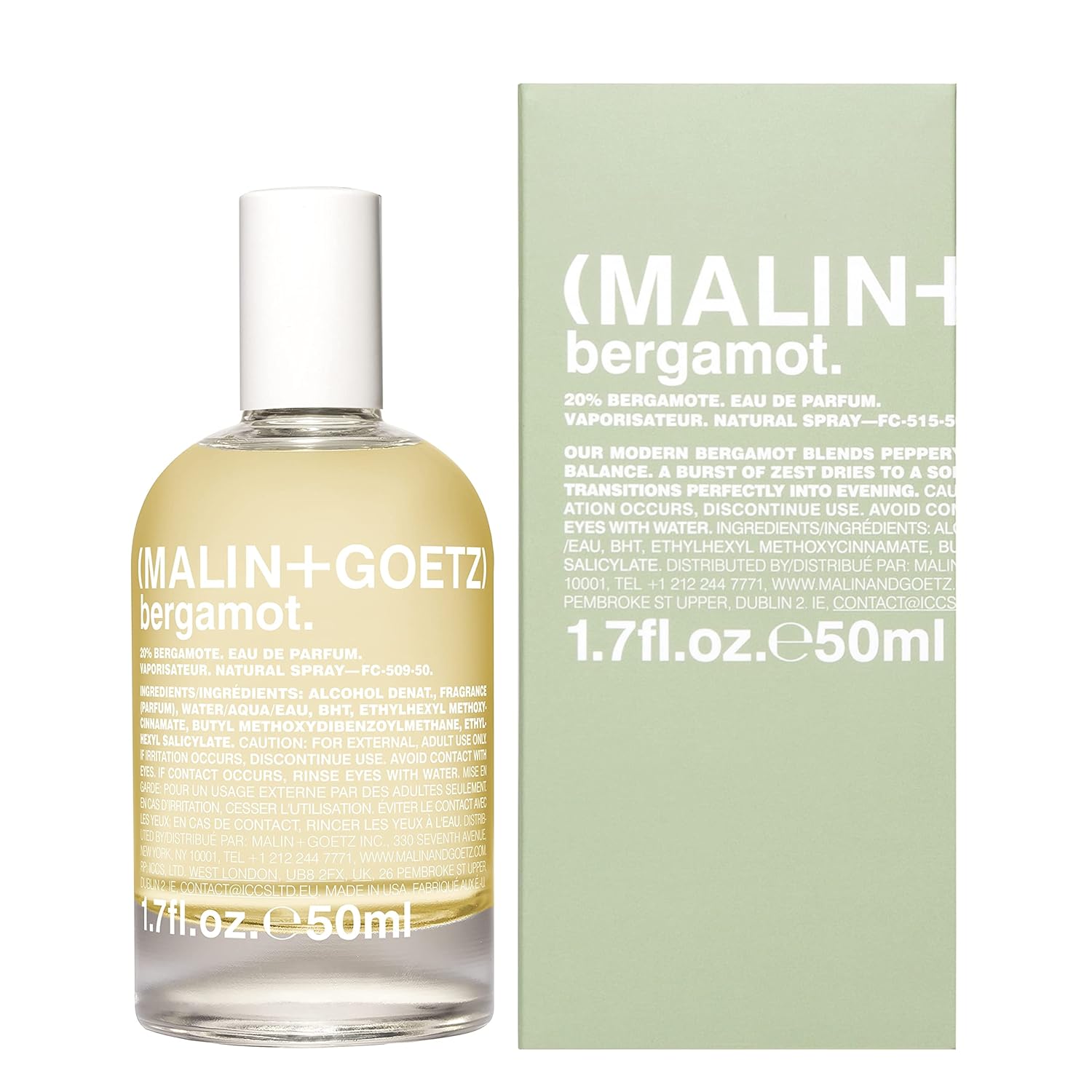
MALIN+GOETZ Bergamot EDT is one of the fragrance world’s most celebrated clean-beauty success stories and a consistent recommendation alongside Le Labo’s Bergamote 22 as a benchmark for modern bergamot-forward wellness fragrances. Created with a philosophy of transparency, minimal ingredients, and cruelty-free production, it opens with a sun-bright burst of Calabrian bergamot — clean, slightly spicy, intensely citrus — before evolving into a musky, slightly woody finish that lingers beautifully on skin. It is the definition of a “functional” scent: calming enough for anxious days, clean enough for any professional setting, and approachable enough for daily wear without fragrance fatigue.
- Core Note: Calabrian bergamot at full intensity — delivers the mood-elevating, anxiety-easing active compounds without interference
- Clean Formula: Free from parabens, SLS, phthalates, and artificial colours — aligns with 2026’s functional minimalism values
- Cruelty-Free: Vegan and cruelty-free certified — resonates strongly with today’s conscious consumer
- Wearability: Exceptionally skin-friendly and easy to wear daily — low risk of fragrance fatigue
- Longevity: 4–6 hours — appropriate for daytime and office wear without overpowering
- Intensity: Lighter projection than designer EDPs — better for intimate wear than projecting into a room
- Complexity: Intentionally minimalist in structure — those seeking rich complexity may want to layer with a base note
- Price Range: Mid-to-premium pricing (~$80–$100 for 50ml EDT)
- Best Season: Spring and summer especially; works year-round but shines in warmer months when the citrus really opens up
Best for: Office wear, daily stress management, clean beauty enthusiasts, and anyone wanting pure bergamot therapeutic benefits in a wearable, modern fragrance format.
4. Vitruvi Stone Diffuser + Lavender & Bergamot Essential Oil Set — The Home Wellness Ritual
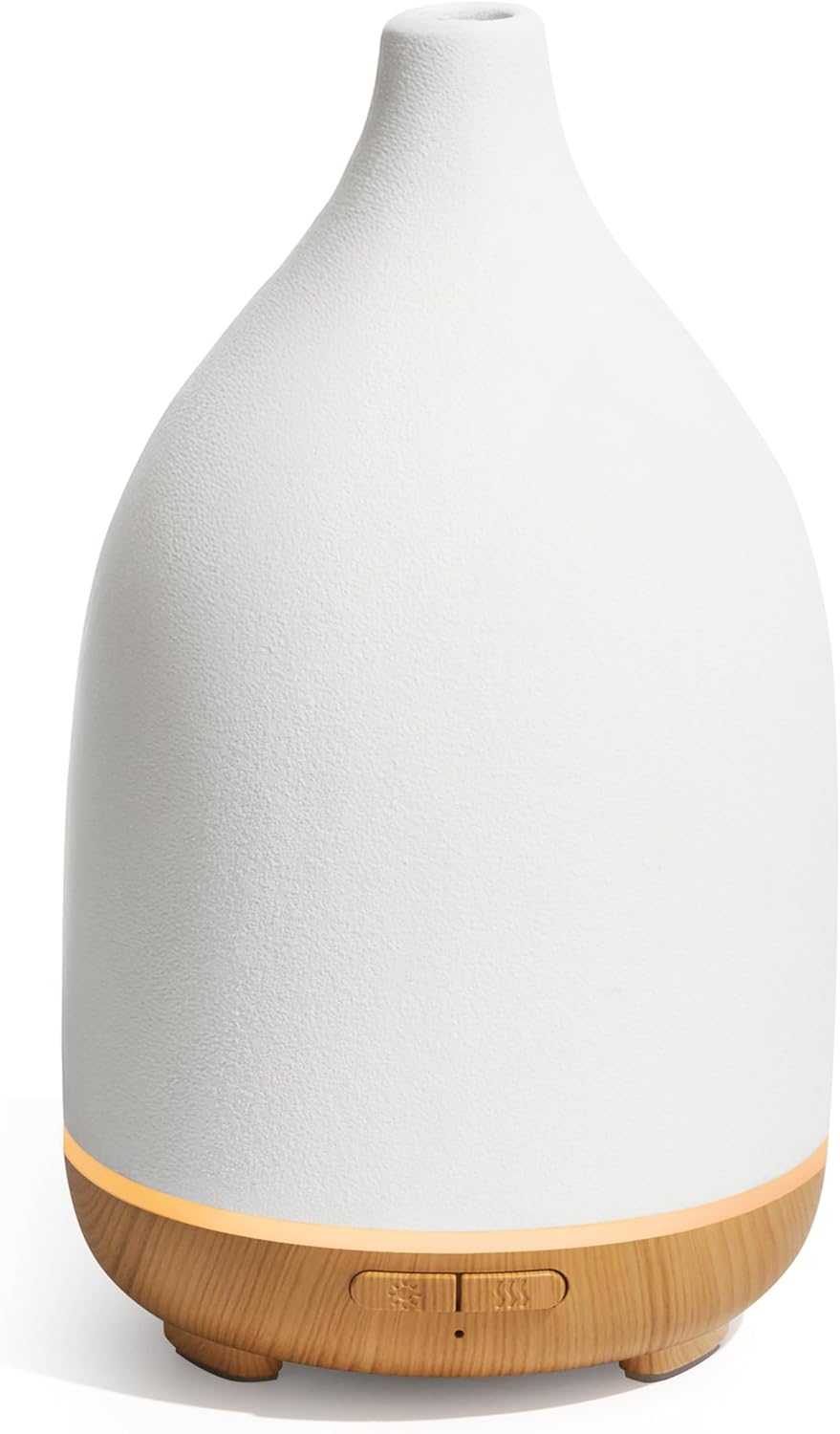
If you want to replicate the exact conditions studied in clinical aromatherapy research — inhalation exposure to lavender and bergamot essential oils via diffusion — then a high-quality ultrasonic diffuser is essential. The Vitruvi Stone Diffuser has become one of the most recommended home wellness diffusers for good reason: its porcelain-and-stone aesthetic makes it a design object as much as a functional device, its ultrasonic technology disperses a fine, cool mist without degrading the volatile compounds responsible for the stress-relief effects, and its intermittent timer settings are ideal for the 15–30 minute inhalation exposure periods that clinical studies use. Pair it with both a pure lavender and a pure bergamot essential oil, and you have a complete, evidence-based home stress management ritual.
- Technology: Ultrasonic cold mist — preserves all volatile aromatic compounds intact, unlike heat diffusers that can alter the chemical profile
- Design: Premium porcelain and stone construction — a genuinely beautiful object that integrates naturally into any home aesthetic
- Timer Settings: Intermittent misting (1-hour, 3-hour, and continuous) — matches clinical research exposure protocols
- Coverage: Effectively covers up to 500 sq ft — suitable for most living rooms, bedrooms, or home offices
- Quiet Operation: Near-silent, ideal for bedrooms and meditation spaces
- Price Range: Premium diffuser pricing (~$119) — a considered investment, not an impulse buy
- Oils Sold Separately: The diffuser unit alone does not include essential oils — budget for purchasing quality lavender and bergamot oils additionally
- Water Tank: Holds approximately 90ml — requires refilling for extended sessions beyond 3–4 hours
- Placement: Best on a stable, elevated surface — not suited for floor placement due to mist dispersion dynamics
Best for: Home and bedroom stress-relief rituals, sleep preparation, meditation, home office ambient wellbeing, and anyone wanting the full clinical aromatherapy experience at home.
How to Use Lavender and Bergamot for Stress Relief: A Practical Guide
The method of application significantly affects how strongly you experience the stress-relief benefits of these ingredients. Research has identified inhalation as the most direct and fastest-acting route, while topical application provides longer-lasting systemic effects through gradual absorption into the bloodstream.
The Cortisol Cycle: When to Use Each Scent
| Time of Day | Cortisol State | Recommended Scent | Application Method | Goal |
|---|---|---|---|---|
| Morning (6–9am) | Naturally high (cortisol awakening response) | Bergamot-led blend | Diffuser or spray | Channel cortisol energy positively; prevent anxiety spike |
| Midday (12–2pm) | Transitioning, can spike with stress | Lavender + bergamot blend | Pulse point spray or roll-on | Balance — calm the stress response while maintaining focus |
| Afternoon (3–5pm) | Should be tapering — often spiked by workload | Bergamot to bergamot + lavender | Diffuser in workspace | Support natural cortisol taper; maintain productive calm |
| Evening (7–10pm) | Should be low for sleep readiness | Lavender-dominant blend | Diffuser or pillow spray | Accelerate cortisol drop; prepare nervous system for sleep |
- ✅ Morning: Diffuse bergamot essential oil for 15–30 minutes during breakfast or commute preparation
- ✅ At Your Desk: Apply a lavender-bergamot pulse point fragrance (wrists, inner elbows, neck) before high-pressure tasks
- ✅ Midday Reset: Step outside or open a window and inhale directly from a lavender essential oil bottle for 5 slow breaths
- ✅ Evening Wind-Down: Diffuse lavender at 7–8pm to begin priming the nervous system for sleep
- ✅ Pre-Sleep: 2–3 drops of lavender oil on your pillow or in a bedside diffuser on a 1-hour timer setting
- ❌ Avoid: Applying undiluted essential oils directly to skin — always use a carrier oil or formulated product
- ❌ Avoid: Using bergamot on skin before sun exposure — bergamot contains bergapten, a compound that can cause photosensitivity. Use only furanocoumarin-free (FCF) bergamot oil for topical application, or apply to areas covered by clothing
Lavender vs Bergamot: Which Is Right for Your Stress?
Not all stress is the same — and neither is the right scent response. Here’s a practical guide to choosing between lavender and bergamot (or combining them) based on the type of stress you’re experiencing.
| Stress Type | Symptoms | Best Choice | Why |
|---|---|---|---|
| Acute, high-energy anxiety | Racing heart, racing thoughts, panic | Lavender dominant | Lavender’s GABAergic action most directly counters the adrenaline response |
| Chronic, low-grade stress | Fatigue, brain fog, persistent low mood | Bergamot dominant | Bergamot’s mood-lifting limonene and linalool address the depressive dimension of chronic stress |
| Work/performance stress | Overwhelm, distraction, poor focus | Bergamot + lavender 50/50 | The balance of alert relaxation — calm enough to stop anxiety, bright enough to maintain focus |
| Pre-sleep stress | Racing mind at bedtime, poor sleep quality | Lavender dominant | Lavender’s sleep quality improvements are well documented; bergamot’s alerting quality is counterproductive at bedtime |
| Social or situational anxiety | Nervousness, self-consciousness, avoidance | Bergamot + lavender as wearable scent | The “scent armor” effect: deliberately wearing a calming fragrance programs a composed emotional state via conditioned association |
Lavender and bergamot are genuinely effective tools for everyday stress management and mood regulation. However, they work best as part of a holistic approach that includes adequate sleep, physical activity, social connection, and — where needed — professional mental health support. As Lelior’s cortisol research rightly notes, no essential oil can fix structural sources of chronic stress. Use these scents as tools for resilience, not as substitutes for addressing the root causes of anxiety or depression. If you are experiencing persistent, severe anxiety or depression, please consult a healthcare professional.
Frequently Asked Questions
Q: How quickly does lavender or bergamot reduce stress when inhaled?
Research suggests measurable physiological effects — including reductions in heart rate and salivary cortisol — can occur within 10–15 minutes of sustained inhalation. Mood improvements tend to be reported within that same 15-minute window. The subjective experience of calm often begins within the first minute or two of exposure, as the olfactory system sends immediate signals to the limbic system before the slower hormonal cascade fully unfolds.
Q: Can I use lavender and bergamot during the workday without it affecting my focus?
Yes — and this is one of the most important things to understand about the bergamot-lavender pairing. Unlike some calming scents that produce a sedating effect at workplace concentrations, the bergamot component maintains alertness and mental clarity while the lavender component reduces the anxiety and tension that impair cognitive performance. The HoMedics SereneScent research specifically describes bergamot-lavender as targeting “alert relaxation” — the mental state where productivity and calm coexist. Use it at a desk diffuser on intermittent settings during focused work sessions.
Q: Is bergamot essential oil safe to use on skin?
Bergamot essential oil contains bergapten (also called 5-MOP), a furanocoumarin compound that is phototoxic — meaning it can cause skin discolouration or burns when exposed to UV light. Always use “FCF” (furanocoumarin-free) bergamot essential oil for any topical skin application, and avoid sun exposure on areas where bergamot has been applied. Designer fragrances containing bergamot are typically formulated to safe levels of this compound. When in doubt, apply to covered areas of the body.
Q: How is lavender in a perfume different from lavender essential oil for stress relief?
Designer perfumes use lavender accord — a combination of natural lavender extract and synthetic molecules that recreates lavender’s scent character for longevity, stability, and blending performance. Pure essential oil delivers the full spectrum of phytochemicals (linalool, linalyl acetate, etc.) that clinical research has studied. Both can offer mood and stress benefits through the olfactory pathway, but for the most concentrated therapeutic effect, pure essential oil in a diffuser or diluted for topical use is the more clinically direct approach. A well-crafted lavender-forward fragrance absolutely has real mood-lifting and calming effects through the same olfactory-limbic pathway — it simply delivers them at lower active compound concentrations with greater aesthetic complexity.
Q: What is the best lavender and bergamot fragrance for someone who has never worn perfume before?
For fragrance newcomers, MALIN+GOETZ Bergamot EDT is an ideal starting point: its clean, minimalist composition makes it easy to wear, non-intimidating, and unlikely to cause fragrance fatigue. For a pure aromatherapy entry point, a quality lavender essential oil plus an ultrasonic diffuser offers the clearest therapeutic experience with the least complexity. Jo Malone’s Amber & Lavender is the luxury starting point for those ready to invest in a true signature scent built around lavender and bergamot.
The Bottom Line: Stress-Relief You Can Wear
The convergence of clinical neuroscience, global wellness culture, and fragrance innovation has made 2026 the year that lavender and bergamot moved from botanical curiosities to mainstream therapeutic essentials. The evidence is robust, peer-reviewed, and increasingly accessible to everyday consumers who understand that the right scent isn’t just a luxury — it’s a form of daily self-care with measurable physiological benefits.
Whether you invest in a bottle of Jo Malone Amber & Lavender, a pure lavender essential oil for your bedside diffuser, or the clean-beauty bergamot of MALIN+GOETZ, you are not simply choosing a fragrance. You are choosing a daily ritual that your nervous system will thank you for.
In a world that often feels relentlessly overwhelming, that is a genuinely powerful thing to wear.
Related Posts from PerfumeLead
- A Beginner’s Guide to Perfume Types — New to fragrance? Learn the difference between EDT, EDP, and Parfum concentrations before investing in your stress-relief scent.
- Best Vanilla Perfumes — Vanilla’s comforting, serotonin-associated warmth pairs beautifully with lavender for evening stress relief. Discover the best options here.
- Best Summer Colognes — In warmer months, bergamot’s brightness is at its most therapeutic and wearable. Find the perfect summer expression here.
- How to Choose a Confidence Scent: The Science of Citrus and Woods — Discover how bergamot’s citrus energy pairs with woody notes for a fragrance that builds confidence alongside calm.
- Top Polo Colognes for Men — Another category where fresh, herbaceous-citrus accords — including lavender and bergamot — feature prominently.
Disclaimer: This post contains Amazon affiliate links. If you purchase through these links, we may earn a small commission at no additional cost to you. All opinions and recommendations are our own, based on research and fragrance expertise. This article is for informational purposes only and does not constitute medical advice. Always consult a qualified healthcare professional for diagnosis and treatment of anxiety, stress disorders, or any health condition.


