What Is a Barbershop Fragrance? The Complete Guide to Classic Men’s Scents
Step into any traditional barbershop and you’re immediately enveloped by a distinctive aroma—that intoxicating blend of powdery lavender, aromatic herbs, and warm oakmoss that signals masculine refinement. This isn’t just nostalgia talking. Barbershop fragrances represent one of the most enduring and sophisticated categories in men’s perfumery, bridging generations with their timeless appeal.
Whether you’re a fragrance enthusiast seeking your next signature scent or a grooming novice curious about what makes these classics so compelling, this comprehensive guide explores everything you need to know about barbershop fragrances—from their fascinating historical origins to how to choose and wear them like a true gentleman.
Understanding the Barbershop Fragrance Profile
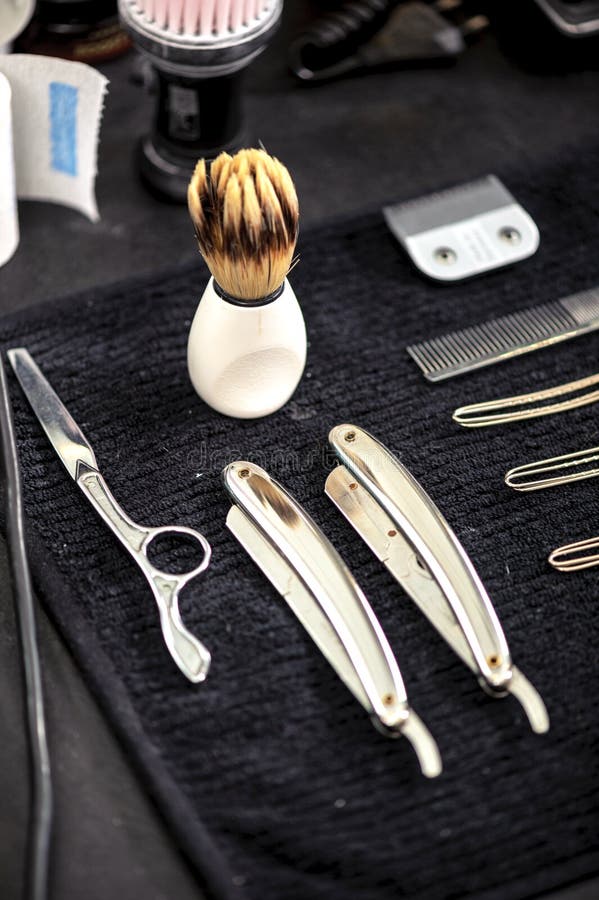
At its core, a barbershop fragrance is an olfactory interpretation of the traditional male grooming experience. These scents capture the essence of hot towel shaves, leather strops, talcum powder, and the meticulous attention to detail that defines classic barbering culture. But what exactly creates this unmistakable aroma?
The Holy Trinity of Barbershop Notes
Every authentic barbershop fragrance revolves around three fundamental ingredients that form what’s known in the perfume industry as the Fougère accord:
- Lavender: The backbone of any barbershop scent, providing that clean, aromatic freshness reminiscent of premium shaving creams and aftershaves. French and English lavender varieties offer the most refined profiles.
- Oakmoss: This earthy, forest-like lichen delivers depth and sophistication, grounding the composition with woody, slightly sweet undertones that evoke vintage grooming products.
- Coumarin: Derived from tonka beans, this compound smells like fresh-cut hay with vanilla-almond nuances, creating that distinctive powdery warmth associated with talcum powder and classic aftershaves.
Supporting Characters in the Composition
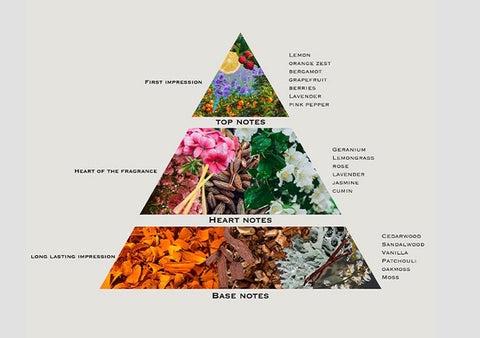
Beyond the core trio, master perfumers layer additional notes to create complexity and distinction:
| Note Category | Common Ingredients | Olfactory Effect |
|---|---|---|
| Citrus Top Notes | Bergamot, Lemon, Lime, Petitgrain | Fresh, invigorating opening that mimics the crispness of a cold splash |
| Aromatic Heart | Rosemary, Basil, Geranium, Clary Sage | Herbaceous complexity suggesting grooming ritual sophistication |
| Powdery Elements | Talc, Iris, Heliotrope | Soft, clean finish reminiscent of barber’s talc |
| Warm Base | Sandalwood, Vetiver, Musk, Amber | Long-lasting masculine foundation with skin-scent intimacy |
Pro Tip: When evaluating a barbershop fragrance, pay attention to how the powdery notes interact with the aromatic elements. The finest examples achieve perfect equilibrium—neither too sweet nor too medicinal. Look for compositions where lavender remains prominent throughout the drydown rather than disappearing quickly.
A Journey Through History: From Victorian Paris to Modern Grooming
The story of barbershop fragrances begins in 1882 with Paul Parquet, the visionary perfumer for Houbigant Parfum. His creation, Fougère Royale, revolutionized the fragrance world by introducing synthetic coumarin alongside natural lavender and oakmoss. This wasn’t merely a new scent—it established an entirely fragrance family that would dominate masculine perfumery for generations.
The timing couldn’t have been more perfect. As the Victorian era emphasized strict grooming standards for gentlemen, barbershops evolved from simple haircutting establishments into temples of male refinement. The Industrial Revolution brought new prosperity, allowing middle-class men to indulge in professional shaves and the luxurious products that accompanied them.
The Golden Age: 1920s-1960s
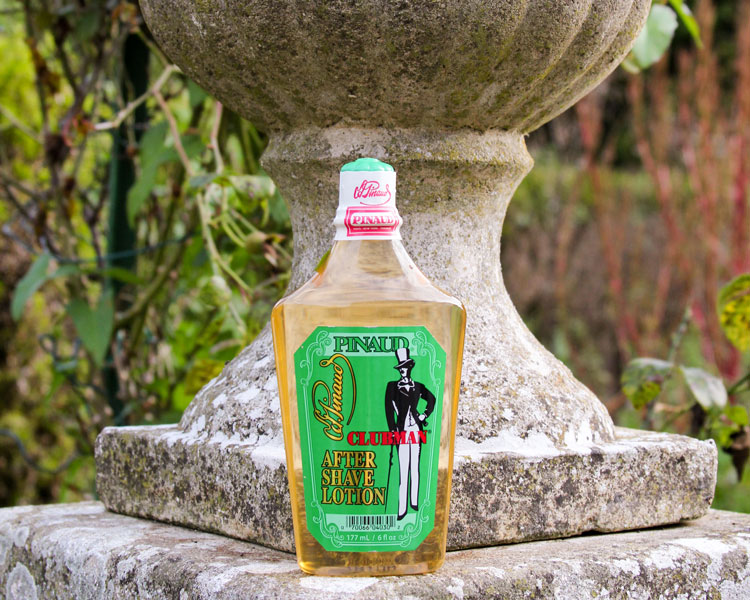
The early twentieth century witnessed the democratization of barbershop culture. Edouard Pinaud founded his eponymous house in Paris in 1810, but it was the introduction of the Clubman line that cemented the barbershop aesthetic in American culture. By the 1930s, Pinaud Clubman aftershave could be found in virtually every barbershop across the United States, its distinctive green bottle and dapper Frenchman logo becoming synonymous with masculine grooming.
This era also saw the rise of other legendary brands that defined the genre:
- Old Spice (1937): Originally created by Shulton Company, this spicy-oriental interpretation brought warmth and exoticism to the barbershop concept
- Canoe (1936): Dana‘s powdery fougère offered a softer, more romantic take on the genre
- Brut (1963): Fabergé‘s bold, musky creation became the definitive scent of the mod generation
The Modern Renaissance
While the 1980s and 1990s saw barbershop fragrances fall out of mainstream favor—replaced by aquatic and gourmand trends—the 21st century has witnessed a remarkable revival. Niche perfumery houses have embraced the genre, creating sophisticated interpretations that honor tradition while incorporating modern techniques and rare ingredients.
Contemporary masterpieces like Tom Ford’s Beau de Jour, Penhaligon’s Sartorial, and Maison Margiela’s At The Barber’s demonstrate that the appetite for refined, classic masculinity never truly disappeared—it merely awaited the right moment to return to prominence.
The Fragrance Family Tree: Types of Barbershop Scents
Not all barbershop fragrances are created equal. Understanding the subcategories helps you identify which style resonates with your personal aesthetic and lifestyle needs.
Classic Aromatic Fougères
The purest expression of the genre, these fragrances adhere closely to the original Fougère Royale structure. They emphasize lavender, oakmoss, and coumarin in relatively equal measure, creating balanced, versatile scents suitable for daily wear. Yves Saint Laurent’s Rive Gauche Pour Homme represents the pinnacle of this style—powdery, sophisticated, and unmistakably masculine without being aggressive.
Citrus-Barbershop Hybrids
These compositions amplify the fresh elements, incorporating significant doses of bergamot, lemon, and neroli. The result is a brighter, more invigorating take on the genre that emphasizes the “fresh from the barber” sensation. Pinaud Clubman Citrus Musk exemplifies this approach, offering zesty refreshment perfect for warm weather.
Spicy-Oriental Barbershops
Drawing inspiration from Old Spice’s legacy, these fragrances incorporate warm spices like clove, cinnamon, and nutmeg alongside the traditional fougère structure. They project confidence and warmth, making them ideal for cooler months and evening occasions. Paco Rabanne Pour Homme masterfully balances aromatic herbs with honeyed sweetness and subtle tobacco.
Contemporary Reinterpretations
Modern niche perfumers have expanded the genre’s boundaries, introducing unexpected elements while maintaining the essential barbershop character. DS & Durga’s Burning Barbershop incorporates smoky, charred notes inspired by a historical upstate New York barbershop fire. Penhaligon’s Sartorial adds metallic notes suggesting steam irons and tailoring workshops, creating a more complex, intellectual interpretation.
Warning: Many vintage barbershop fragrances have been reformulated over the years due to ingredient regulations (particularly concerning oakmoss). If seeking the original experience, research batch codes and consider purchasing from reputable vintage fragrance dealers. Modern IFRA-compliant versions often lack the depth and longevity of their predecessors.
How to Choose Your Perfect Barbershop Fragrance
Selecting the right barbershop scent requires considering multiple factors beyond simply liking how it smells in the bottle. Here’s a systematic approach to finding your ideal match.
Assess Your Lifestyle and Environment
Consider where you’ll primarily wear the fragrance. Office environments demand subtlety—look for compositions with moderate projection and clean, soapy elements like Proraso or Claus Porto Musgo Real. For social occasions or dates, you might prefer something with more character and sillage, such as Tom Ford Beau de Jour or MDCI Invasion Barbare.
Understand Concentration Levels
Barbershop fragrances come in various concentrations, each offering different performance characteristics:
- Aftershave Splash (1-3% concentration): Traditional format with high alcohol content. Provides immediate cooling and subtle scent lasting 1-2 hours. Best for post-shave refreshment rather than all-day fragrance.
- Eau de Cologne (2-5% concentration): Light, refreshing, and historically accurate for the genre. Requires reapplication every 2-3 hours but offers authentic vintage charm.
- Eau de Toilette (5-15% concentration): The most common modern format. Balances longevity with accessibility, typically lasting 4-6 hours.
- Eau de Parfum (15-20% concentration): Intense, long-lasting formulations that project significantly. Modern niche interpretations often use this concentration for maximum impact.
- Parfum/Extrait (20%+ concentration): The most potent and expensive option. Offers 8+ hours of longevity with intimate sillage.
Seasonal Considerations
While many barbershop fragrances work year-round, certain compositions shine in specific seasons:
| Season | Recommended Style | Example Fragrances |
|---|---|---|
| Spring | Green, herbal, light powder | Creed Viking, Chanel Pour Monsieur |
| Summer | Citrus-forward, airy, fresh | Pinaud Clubman Citrus Musk, 4711 |
| Autumn | Spicy, warm, aromatic | DS & Durga Burning Barbershop, Old Spice |
| Winter | Rich, resinous, heavy powder | Penhaligon’s Sartorial, YSL Rive Gauche |
Pro Tip: Always test fragrances on your skin before purchasing. Barbershop scents contain complex aromatic compounds that can react differently with individual body chemistry. What smells divine on a testing strip might turn medicinal or overly sweet on your skin. Apply to your wrist, wait 30 minutes for the drydown to develop, then evaluate.
Mastering Application: How to Wear Barbershop Fragrances
Even the finest barbershop fragrance requires proper application technique to achieve its full potential. These scents often contain significant powder and musk elements that can become overwhelming if misapplied.
The Art of Layering
For maximum longevity and authenticity, consider building your scent profile through layering:
- Start with matching shower products: Many barbershop fragrance lines offer coordinating body washes or soaps. These establish the foundational scent without competing with your cologne.
- Apply unscented moisturizer: Hydrated skin holds fragrance significantly longer than dry skin. Use an unscented lotion to create a base that won’t conflict with your chosen scent.
- Use aftershave strategically: Traditional alcohol-based aftershaves provide authentic barbershop aroma but fade quickly. Apply to freshly shaved areas for the immediate sensory experience.
- Target pulse points with cologne: Apply 2-4 sprays to wrists, neck, and behind ears. The warmth of these areas helps diffuse the aromatic components effectively.
- Finish with talcum powder: For the complete vintage experience, dust matching talc on your neck and chest. This extends longevity while adding authentic powdery texture.
Common Application Mistakes to Avoid
Barbershop fragrances are particularly susceptible to application errors due to their powdery nature:
- Rubbing wrists together: This breaks down fragrance molecules and accelerates evaporation. Let the scent dry naturally.
- Overspraying: Barbershop scents often project more than you realize. Start with fewer sprays and build up if needed.
- Spraying on clothing: While this extends longevity, it can stain fabrics and alter the scent’s development. Stick to skin application.
- Applying to dry skin: Always moisturize first. Dry skin absorbs and dissipates fragrance rapidly.

Iconic Barbershop Fragrances: From Drugstore to Niche
The market offers barbershop fragrances across every price point and quality tier. Here are standout examples representing different approaches to the genre:
Accessible Classics (Under $50)
Pinaud Clubman Original: The definitive American barbershop scent since the 1930s. At roughly $10-15, it delivers authentic powdery lavender, citrus, and oakmoss that smells remarkably expensive despite its humble price. Available at Amazon and Walmart.
Stetson Original: Often overlooked, this 1981 release offers a richer, more complex barbershop experience with prominent carnation and sandalwood. It projects confidence and masculinity at drugstore prices.
Designer Excellence ($50-$150)
Tom Ford Beau de Jour: Perhaps the finest modern barbershop fragrance available. Master perfumer Olivier Gillotin created a perfectly balanced aromatic fougère featuring lavender, oakmoss, and patchouli with exceptional longevity. Available at Sephora and Nordstrom.
Maison Margiela Replica At The Barber’s: This fragrance captures the specific moment of leaving a traditional barbershop—clean, fresh, and invigorating. Notes of basil, black pepper, lavender, and tonka bean create an evocative, nostalgic experience. Find it at major department stores.
Niche Masterpieces ($150+)
Penhaligon’s Sartorial: Inspired by London’s Savile Row tailoring houses, this sophisticated composition includes metallic notes, beeswax, and lavender. It smells like a perfectly pressed suit and a fresh shave combined. Available at Penhaligon’s boutiques and high-end retailers.
MDCI Invasion Barbare: A luxurious, complex fougère featuring violet, ginger, and leather alongside traditional barbershop elements. This is barbershop fragrance elevated to haute parfumerie, with corresponding price tag and performance.
Pro Tip: When building a barbershop fragrance collection, start with an affordable classic like Clubman to understand the genre’s fundamentals. Once you appreciate the style, invest in higher-end interpretations that offer superior ingredients and complexity. The difference between drugstore and niche becomes apparent in the drydown’s depth and evolution.
The Psychology of Barbershop Scents: Why They Endure
Beyond their aesthetic qualities, barbershop fragrances tap into deep psychological associations that explain their persistent appeal across generations.
Nostalgia and Masculine Ritual
For many men, barbershop scents trigger powerful memories of father figures, coming-of-age milestones, and the comforting routine of professional grooming. The smell of lavender and talc connects us to moments of being cared for and transformed—emotions that remain relevant regardless of age.
Signals of Competence and Trustworthiness
Research in scent psychology suggests that clean, aromatic fragrances signal reliability and professionalism. Barbershop scents, with their emphasis on hygiene and grooming, subconsciously communicate that the wearer pays attention to detail and respects social conventions. This makes them particularly effective for job interviews, client meetings, and first impressions.
The Antidote to Modern Excess
In an era of increasingly sweet, loud, and synthetic mainstream fragrances, barbershop scents offer restraint and sophistication. They whisper rather than shout, inviting intimacy rather than announcing presence from across the room. This subtlety appeals to men who prefer understatement over ostentation.
Caring for Your Barbershop Fragrances
Proper storage ensures your investment maintains its character over time. Barbershop fragrances, particularly those with significant natural oakmoss content, are susceptible to degradation.
Storage Best Practices
- Keep away from light: UV rays break down fragrance molecules. Store bottles in their original boxes or in a dark drawer.
- Maintain consistent temperature: Avoid bathrooms where steam and temperature fluctuations occur. A bedroom drawer or closet shelf works best.
- Minimize air exposure: Keep caps tightly sealed. Oxygen oxidizes aromatic compounds, altering scent profiles over time.
- Use within 3-5 years: While some vintage fragrances age beautifully, most barbershop scents peak within this window. Citrus-heavy compositions deteriorate faster than resinous ones.
Warning: Never store fragrances in your car or near windows. Heat above 70°F accelerates chemical breakdown, while extreme cold can cause precipitation of essential oils. Once a fragrance turns noticeably sour or loses its top notes entirely, it has spoiled and should be discarded.
Key Takeaways
- Barbershop fragrances are defined by the Fougère accord—lavender, oakmoss, and coumarin—creating powdery, aromatic, masculine scents
- The genre originated in 1882 with Houbigant’s Fougère Royale and reached cultural prominence through brands like Pinaud Clubman in the mid-20th century
- Modern interpretations range from affordable drugstore classics to sophisticated niche creations costing hundreds of dollars
- Proper application involves moisturizing first, targeting pulse points, and avoiding the common mistake of rubbing wrists together
- These scents signal professionalism, cleanliness, and timeless masculinity—making them ideal for business and formal occasions
- Store in cool, dark places and use within 3-5 years for optimal performance
FAQ
What makes a fragrance smell like a barbershop?
The distinctive barbershop aroma comes primarily from the Fougère accord—a combination of lavender (clean, aromatic), oakmoss (earthy, woody), and coumarin (sweet, powdery, hay-like). Additional notes like talcum powder, citrus, herbs, and musk reinforce this association with traditional male grooming products and the shaving ritual.
Are barbershop fragrances only for older men?
Absolutely not. While these scents carry nostalgic associations, modern interpretations like Tom Ford Beau de Jour and Maison Margiela At The Barber’s have introduced the genre to younger generations. The clean, professional character of barbershop fragrances transcends age demographics. Many men in their 20s and 30s appreciate the sophistication and uniqueness these scents offer compared to ubiquitous aquatic or sweet fragrances.
What’s the difference between aftershave and barbershop cologne?
Aftershave contains 1-3% fragrance oil with high alcohol content, designed primarily to disinfect and soothe skin post-shave. The scent lasts 1-2 hours. Barbershop cologne (or eau de toilette/parfum) contains 5-20% fragrance oil, designed purely for scent enjoyment and lasting 4-12 hours depending on concentration. While they may share similar scent profiles, they serve different functions.
Can women wear barbershop fragrances?
Yes, many women enjoy barbershop fragrances, particularly those with prominent lavender and powdery notes. Scents like Penhaligon’s Sartorial and Maison Margiela At The Barber’s are often described as unisex. The clean, soapy character of these fragrances appeals to anyone seeking sophisticated, non-floral freshness. Fragrance has no gender—wear what makes you feel confident.
Why do some barbershop fragrances smell like “old men”?
This perception usually stems from exposure to vintage formulations or cheaper drugstore versions that use dated aromachemicals. Classic barbershop structures can smell medicinal or overly powdery if poorly executed. However, modern niche interpretations using high-quality ingredients smell sophisticated and timeless rather than dated. If you’re concerned about this, sample contemporary releases from houses like Tom Ford, MDCI, or Maison Margiela before exploring vintage classics.
How do I make my barbershop fragrance last longer?
Apply to well-moisturized skin, target warm pulse points (wrists, neck, behind ears), and consider layering with matching shower products or unscented lotion. Avoid rubbing application points, which breaks down molecules. For extended longevity, choose eau de parfum concentrations over cologne, and apply a light mist to clothing (test fabric compatibility first). Store your bottle properly away from heat and light to maintain potency.
Summary
Barbershop fragrances represent more than just a scent category—they embody a philosophy of masculine refinement, attention to detail, and timeless elegance. From their origins in 1880s Paris to their current renaissance in niche perfumery, these aromatic fougères continue to captivate with their unique blend of powdery lavender, earthy oakmoss, and warm coumarin.
Whether you choose an accessible classic like Pinaud Clubman or invest in a luxury creation like Penhaligon’s Sartorial, wearing a barbershop fragrance connects you to generations of gentlemen who understood that grooming is not vanity—it’s self-respect. In a world of fleeting trends and loud, synthetic scents, the quiet confidence of a well-crafted barbershop fragrance remains the ultimate expression of sophisticated masculinity.
The next time you seek a signature scent that communicates competence, cleanliness, and classic style, look no further than the barber’s chair. The fragrance you discover there might just become your most trusted grooming companion for years to come.
Ready to explore? Start your barbershop fragrance journey with a visit to Sephora or Nordstrom to sample modern interpretations, or discover vintage classics at specialty retailers like Luckyscent. For authentic barbershop products and grooming supplies, explore Amazon’s grooming selection or visit your local traditional barber for professional recommendations.