The Definitive Guide to Sandalwood Fragrances
Although sandalwood is undoubtedly a wood, its unique characteristics often set it apart. Unlike the sharper, more resinous aromas of some other woods, sandalwood possesses a distinct, exotic fragrance. This scent profile is remarkably complex, described as simultaneously warm, creamy, sweet, and silky. The initial impression is often one of richness, a deep, grounding aroma that lingers on the skin. Once familiar with sandalwood, its scent becomes instantly recognizable, a signature of luxury and sophistication.
Sandalwood’s versatility is a key reason for its popularity in perfumery. It acts as a crucial base note, providing depth, warmth, and complexity to a fragrance. It blends seamlessly with other woody scents, such as rosewood and cedar, as well as essential oils like patchouli, vetiver, and vanilla, enhancing their individual characteristics while contributing its own unique profile.
Furthermore, sandalwood is a fundamental component in the floriental or floral-amber scent families. When combined with white florals like orange blossom, jasmine, ylang-ylang, magnolia, gardenia, or tuberose, sandalwood adds a sensual, grounding element that elevates the floral bouquet. For example, a fragrance might feature the bright, intoxicating aroma of jasmine, and the warm, creamy essence of sandalwood. This combination creates an alluring, balanced fragrance with a lasting impression. The creamy aspect of sandalwood also helps to tone down the sometimes overwhelming sweetness of certain white florals, creating a more sophisticated and harmonious blend.
Table of Contents
What is Sandalwood?
The Santalum genus encompasses the esteemed sandalwood tree species. These trees, known for their slow growth, produce a dense, fragrant, and finely grained wood that retains its delightful aroma for many years.
Sandalwood, considered one of the most valuable timbers worldwide, requires a substantial amount of time to mature for harvesting. It can take a minimum of 15 years, if not longer, for the tree to reach its optimal stage. Interestingly, as the tree ages, it yields a greater quantity and superior quality of its precious oil. While the plant originally hails from Southern India, it has gradually spread to various regions such as Indonesia, Nepal, Bangladesh, Pakistan, Hawaii, and Australia.
Now, let us delve into the enchanting fragrance of sandalwood. Originating from the bark of Santalum trees in India, this distinctive scent has left an indelible mark on spiritual and religious ceremonies throughout history. Beyond its ceremonial significance, the aromatic bark possesses unique characteristics and properties, making it highly sought after in the market.

Sandalwood tree, popular ayurvedic plant, taken in Kerala, India
Benefits of Sandalwood
Sandalwood is one of the ingredients on a product’s label because of its excellent qualities. In addition to its calming aroma, sandalwood is used in many goods due to its favorable effects on both physical and mental health.
| Benefit Type | Description |
|---|---|
| Skincare | Sandalwood has characteristics that can function on your skin and make it soft. It makes sense that one of the potent chemicals in many toiletries and hygiene products is sandalwood. |
| Antiseptic | Its antibacterial qualities help halt the development of bacteria that could cause an infection. Great for minimising negative consequences from shaving cuts. |
| Astringent | Sandalwood’s mild astringent characteristics tighten and support your skin for a more even complexion, making it a great toner ingredient. |
| Anti-Inflammatory | Helps calm the skin and prevent pain from razor burn or stinging, making it a common ingredient in high-end aftershaves. |
| Mental Health | Regarded as a natural treatment for improved cognitive function and mental clarity. It has therapeutic properties that can ease stress and anxiety. |
What Does Sandalwood Smell Like?
Sandalwood doesn’t inherently smell “woodsy” despite being from a tree. The aroma of sandalwood is distinct and warm, creamy, silky, sweet, and exotic. Once you’ve smelled sandalwood, you’ll immediately recognise it by its unmistakable aroma.
The scent of sandalwood is characterised as a woody fragrance among the conventional fragrance families. The woody family also includes the famous smells of cedar, vetiver, patchouli, pine, and cypress. Out of all of them, sandalwood is the most like patchouli.
Key Scent Characteristics:
- Softly woody
- Smooth and creamy
- Warm, rich, and earthy
- Sensual and seductive
- Tropical and exotic
- Slightly musky, sweet, and spicy

Is Sandalwood a Feminine Scent?
The scent of sandalwood is earthy and more masculine than feminine, despite its floral and sweet undertones. It thus appears in both male and feminine perfumes. Although it isn’t typically linked with femininity, some women prefer it because of its calming qualities. Fully male scents frequently feature leather and musk, whereas fully feminine scents are more likely to feature floral or citrus undertones.
Products for Men That Contain Sandalwood
The following are some popular items you might seek for if you’re looking for men’s products with sandalwood in them.
1. Beard Balm with Sandalwood
You can think about using a sandalwood beard oil when you need to get rid of any beard itch after shaving and make your skin more smoother and softer. Additionally, it keeps the skin generally nourished and moisturised.
2. Coconut Shave Cream
While many shaving creams can deliver respectable results, sandalwood is incredibly effective at nourishing, moisturising, and maintaining the health of your skin. It lessens irritation and razor bumps while also reducing the risk of nicks and cuts.
3. Coconut Aftershave
A sandalwood aftershave can prevent burning and irritations in addition to leaving you feeling fresh and clean. Because sandalwood has antibacterial and anti-inflammatory characteristics, aftershave products containing sandalwood oil benefit the skin in a number of ways.
Sandalwood Alternatives
Although sandalwood has a distinctive scent and contains essential oils that have a number of health advantages, sandalwood is among the most expensive oils available. Here are the best alternatives:
| Alternative | Why it works |
|---|---|
| Cedarwood | The similarity between cedarwood and the distinctive woody notes of sandalwood makes it a popular choice. Additionally, cedarwood possesses anti-inflammatory and anti-microbial qualities. |
| Tea Tree Oil | While many men like the fresh, camphor-like scent of tea tree oil, it also offers many of the same health advantages as sandalwood. It is a natural antiseptic often found in grooming products. |
Best-Smelling Perfumes with Sandalwood
Since sandalwood scents are sometimes characterised as warm and inviting, they are ideal for winter and colder weather. Below are our top picks covering unisex, women’s, and spicy variations.
| Category | Top Pick |
|---|---|
| Best Overall (Unisex) | Diptyque Tam Dao |
| Best for Women | Guerlain Samsara |
| Best Spicy Scent | Creed Original Santal |
1. Best Overall: Diptyque Tam Dao Eau de Toilette

Tam Dao is a masculine, woodsy masterpiece. This scent, which was influenced by the Tonkin environment, combines powerful notes of sandalwood and cedar with lighter notes of Italian cypress and myrtle, all of which are blended with white musk and spices. It is a common, cosy aroma that suits a variety of settings and moods.
2. Best Women’s Sandalwood: Samsara Eau de Toilette

It is thought that Samara was one of the first woody perfumes for women, and now it is widely recognised as a legendary fragrance. The journeys that the renowned perfumer Jean-Paul Guerlain had through India sparked the idea for him to create a scent that combined sandalwood and jasmine in their most natural forms. The dry down is powdery, smooth, and perfectly woodsy.
3. Best Spicy Sandalwood: Creed Original Santal

Creed’s Original Santal is a spicy scent with powerful notes of ginger, cinnamon, and coriander blended with sweet vanilla and lavender. It is recommended for those who are interested in a more daring interpretation of sandalwood. This is an excellent winter fragrance because of its deep, rich, and masculine characteristics.
4. Serge Lutens Santal Majuscule Eau de Parfum
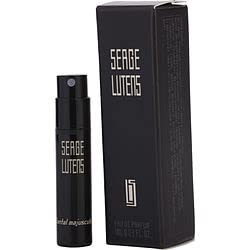
A warm and spicy new scent for men. This perfume has a velvety touch and is smooth, and its aroma is clean and light, following the warmth and depth of sandalwood concrete with the assistance of notes like cocoa and rose to leave you feeling at ease and comfortable. Ideal for everyday wear.
5. Egoiste Pour Homme Eau de Toilette
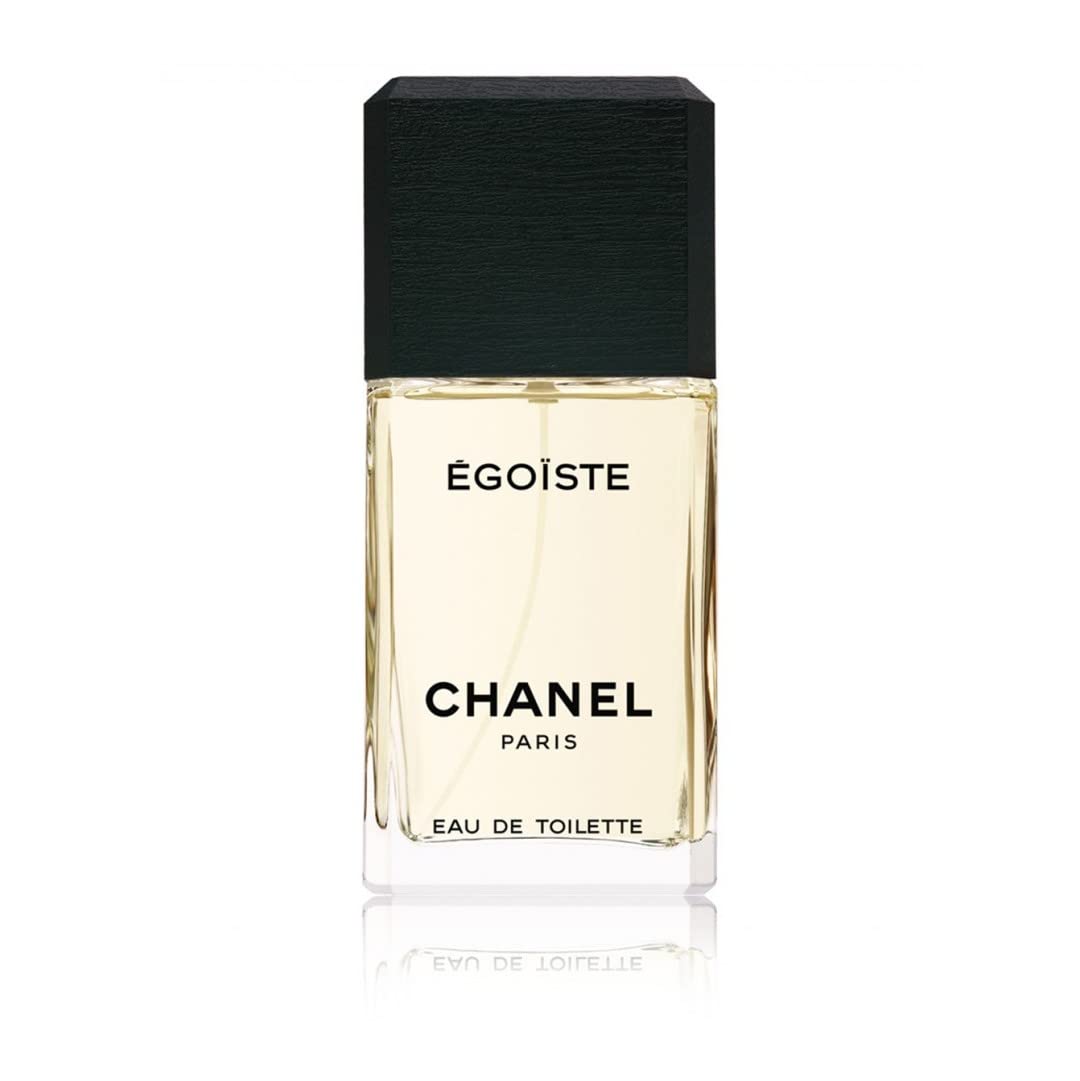
The beginning of Egoiste Pour Homme is pleasant and crisp, with a scent reminiscent of freshly peeled grapefruit. As it develops, the tobacco blossom, cinnamon, rose, and sandalwood essential oils strike the ideal balance to provide a brilliantly fresh and airy perfume that exudes power, success, and confidence.
6. Dia Woman Amouage Eau de Parfum
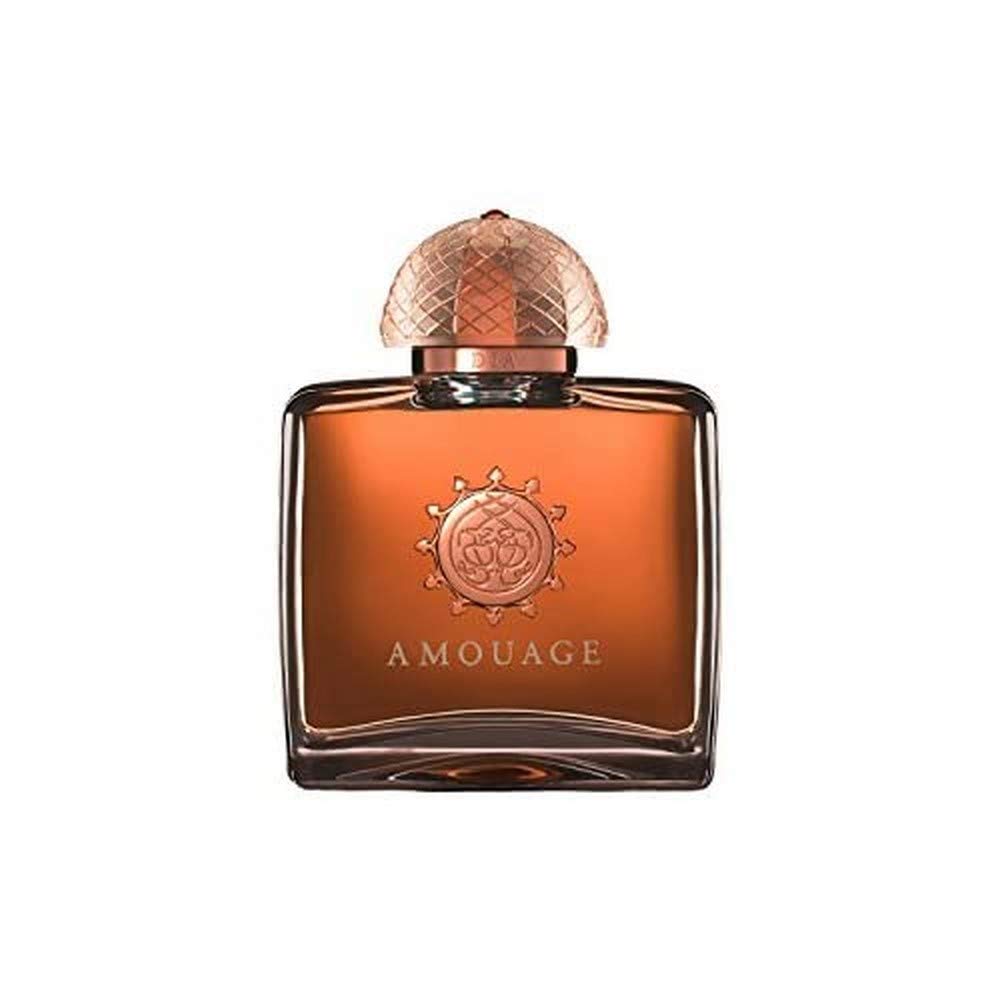
This elegant fragrance is the ideal option for any special occasion because of its opulent and distinctive perfume. The first note of Dia Woman Amouage is a dazzling effervescence, created by the interaction of aldehydes and cyclamen. This fragrance is ageless and elegant because of the base, which is made up of musk, incense, and sandalwood.
7. Sensuous Parfum Estée Lauder

The composition of this smell combines strong, vibrant aromas like Amber and Mandarin Orange blossom with darker notes of Sandalwood to embrace its contemporary edge. It is suggested for elegant evening attire. Sensuous is the best perfume for ladies since it keeps smelling great even after a long day.
FAQ About Sandalwood
| Common Questions | |
|---|---|
| Is the smell of sandalwood feminine? | Sandalwood is typically thought to have a masculine and powerful aroma, often found in men’s goods. However, it can have a sweeter and more feminine scent when combined with orange blossom, musk, or floral fragrances. |
| Does cedarwood smell like sandalwood? | It smells something like sandalwood but with more woody undertones. Cedarwood lacks the creamy sweet overtones of sandalwood, but it is one of the best replacements available. |
| Does sandalwood lose its smell? | Sandalwood has a strong aroma that does not quickly fade. It is a common ingredient in many fragrances due to its reputation for longevity as a base note. |
| Why is growing sandalwood illegal? | Growing sandalwood requires strict regulation. Sandalwood trees take a very long time to develop (15+ years) and are considered a threatened species in some areas due to high demand for their oil and heartwood. |