
Fragrance Notes Explained: Top, Middle, and Base Notes Guide
Understanding fragrance notes is the key to discovering your perfect scent. Every perfume is a carefully crafted symphony of ingredients that unfold over time, creating a unique olfactory journey from the moment you spray to the final dry-down. Whether you’re a fragrance novice or a seasoned collector, knowing how top, middle, and base notes work together will transform how you select, wear, and appreciate perfumes.
The concept of fragrance notes forms the foundation of perfumery. When you first spray a perfume, you’re experiencing the top notes—volatile ingredients that create the initial impression but evaporate quickly. As these fade, the heart of the fragrance emerges: the middle notes, which define the character and personality of the scent. Finally, the base notes anchor the composition, providing depth, longevity, and the lasting impression that remains on your skin for hours.
This comprehensive guide explores the fascinating world of fragrance notes, helping you understand not just how perfumes work, but why certain scents captivate you while others fall flat. We’ll dive deep into specific note categories—floral, vanilla, coconut, musk, and powdery—each offering distinct emotional experiences and stylistic expressions. By the end, you’ll have the knowledge to navigate any perfume counter with confidence and build a fragrance wardrobe that truly reflects your personality.
Understanding the Fragrance Pyramid
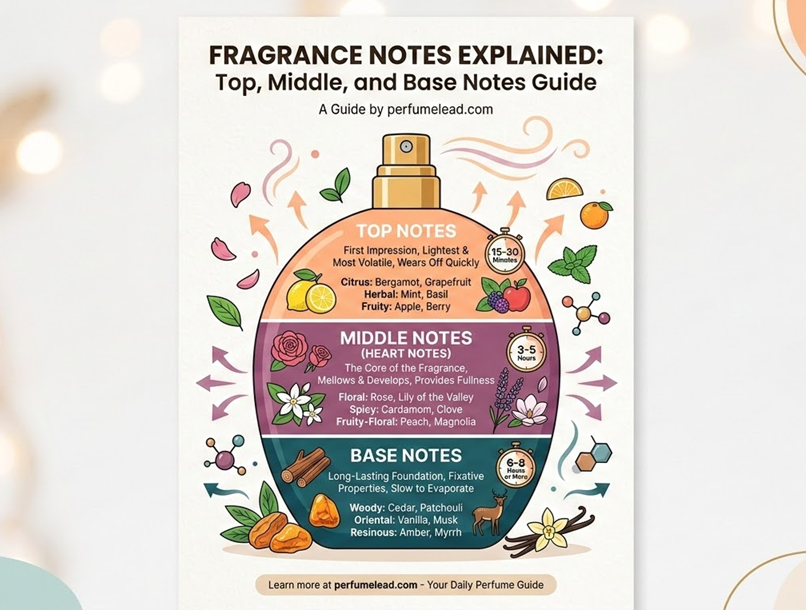
The fragrance pyramid illustrates how perfume ingredients evolve over time.
Top notes, also called head notes, consist of small, light molecules that evaporate quickly—typically within 5 to 15 minutes. These include citrus fruits, light herbs, and aquatic notes that create immediate freshness and capture your attention. They’re the perfume’s introduction, designed to make a strong first impression.
Middle notes, or heart notes, emerge as the top notes dissipate. These form the core of the fragrance, lasting several hours and defining its main character. Floral notes, spices, and fuller-bodied fruits dominate this layer, creating the scent’s personality and emotional resonance. When you think of a perfume’s signature smell, you’re typically remembering its heart notes.
Base notes provide the foundation, appearing once the middle notes begin to fade. These heavy, large molecules—woods, resins, musks, vanilla, and amber—can last 6 to 12 hours or more. They anchor the lighter notes, add complexity, and create the lasting impression that remains on skin and clothing. The interplay between all three levels creates the complete fragrance experience.
How Notes Interact with Skin Chemistry
Your unique body chemistry significantly affects how fragrance notes develop. Skin pH, temperature, oiliness, and even diet influence how molecules evaporate and interact. This explains why the same perfume smells different on different people—and why testing on your own skin is essential before purchasing.
Oily skin tends to hold fragrances longer and can amplify base notes, making heavy orientals and rich woods particularly beautiful. Dry skin may cause fragrances to evaporate faster, benefiting from moisturizing before application and favoring scents with stronger base notes. Understanding your skin type helps you select concentrations and note combinations that will perform best for you.
Floral Perfumes: The Language of Flowers
Floral notes represent the most extensive and diverse category in perfumery, ranging from delicate and ethereal to rich and intoxicating. These notes capture the essence of flowers at various stages of bloom—from fresh, green buds to fully opened, honeyed blossoms. Rose, jasmine, tuberose, lily of the valley, and orange blossom form the backbone of this family, each offering distinct character and emotional resonance.
Modern floral perfumes have evolved far beyond the powdery scents of previous generations. Contemporary compositions blend florals with unexpected partners: citrus for brightness, woods for grounding, musks for skin-like intimacy, and even gourmand notes for edible appeal. This versatility makes floral fragrances appropriate for every occasion, from professional settings to romantic evenings.
Rose deserves special mention as the queen of floral notes. In perfumery, rose appears in two primary forms: rose otto (steam-distilled, lighter and more delicate) and rose absolute (solvent-extracted, deeper and more honeyed). Depending on how it’s used, rose can smell fresh and green, deeply romantic, dark and wine-like, or even spicy and exotic. Modern rose perfumes often pair the flower with oud, patchouli, or spices for contemporary edge.
Jasmine brings an exotic, slightly indolic character that adds sensuality and depth to fragrances. Tuberose offers creamy, intoxicating richness that commands attention. Orange blossom provides clean, bright freshness with subtle sweetness. Lily of the valley contributes delicate, spring-like innocence. Each floral note tells a different story, allowing perfumers to create infinite variations within this beloved family.
When selecting floral perfumes, consider the specific flowers you enjoy in nature. If you love fresh-cut roses, seek fragrances featuring rose otto or centifolia rose. If tropical white flowers intoxicate you, look for jasmine, frangipani, or ylang-ylang dominant compositions. The best floral perfume is one that captures the specific flowers that resonate with your personal memories and preferences.
Vanilla Perfumes: Warmth and Comfort
Vanilla has transcended its reputation as a simple, sweet ingredient to become one of perfumery’s most sophisticated and versatile notes. Derived from the orchid Vanilla planifolia, this complex ingredient offers far more than the one-dimensional sweetness of baked goods. In perfumery, vanilla provides warmth, depth, and an addictive quality that enhances virtually every fragrance family.
The character of vanilla varies dramatically based on its origin and extraction method. Bourbon vanilla from Madagascar offers rich, creamy sweetness with subtle tobacco and dried fruit undertones—perfect for gourmand and oriental compositions. Tahitian vanilla brings floral, fruity nuances with cherry-like sweetness, ideal for lighter, more ethereal fragrances. Mexican vanilla adds spicy, smoky character that works beautifully in bold, statement-making scents.
In fragrance composition, vanilla serves multiple functions. As a base note, it provides lasting sweetness and warmth that anchors lighter ingredients. In gourmand fragrances, vanilla creates edible, comforting aromas reminiscent of cookies, custards, and confections. In oriental perfumes, it adds creamy richness to amber, spices, and resins. In florals, it softens sharp edges and adds approachable sweetness.
The best vanilla perfumes balance this potent ingredient with contrasting elements that prevent it from becoming cloying. Citrus notes add freshness and prevent sweetness from overwhelming. Woods provide structure and sophistication. Spices introduce complexity and warmth. Florals elevate vanilla from food-like to elegant. This interplay creates vanilla fragrances suitable for every preference, from those seeking comfort to those wanting sophistication.
Explore our curated selection of the best vanilla fragrances for women, featuring top-rated scents that showcase this beloved note in all its variations.
Discover Best Vanilla Perfumes for Women
Coconut Perfumes: Tropical Escapism
Coconut notes transport us instantly to beaches, vacations, and carefree summer days. In perfumery, coconut appears both as a natural extract and as synthetic molecules that capture various aspects of this tropical fruit—from fresh coconut water to creamy coconut milk to toasted coconut flakes. This versatility allows perfumers to create scents ranging from light and refreshing to rich and indulgent.
Fresh coconut notes evoke the clear, watery aspect of young green coconuts, providing a clean, slightly sweet, and aquatic character. These notes work beautifully in summer fragrances, beach scents, and compositions seeking tropical freshness without heaviness. Creamy coconut captures the rich, milky aspect of coconut flesh, adding body and smoothness to fragrances. This interpretation shines in gourmands and tropical florals.
Toasted or roasted coconut brings warmth and depth, with nutty, caramelized qualities that feel cozy and inviting. This variation works beautifully in fall and winter fragrances, adding tropical character without the seasonal disconnect of fresher coconut interpretations. The best coconut perfumes often blend these different facets, creating complex, evolving scents that maintain interest throughout the day.
Coconut pairs exceptionally well with numerous fragrance notes. Combined with vanilla, it creates creamy, dessert-like gourmands. Paired with tiare flower and ylang-ylang, it evokes classic tropical beach vacations. Mixed with citrus, it becomes fresh and energizing. Blended with woods or musks, it gains sophistication and longevity. This adaptability makes coconut appropriate for virtually every fragrance category and occasion.
When selecting coconut perfumes, consider the context in which you’ll wear them. For beach days and summer activities, lighter, fresher coconut interpretations feel appropriate and uplifting. For evening wear or cooler weather, richer, creamier coconut compositions provide warmth and comfort. Those seeking unique signature scents might explore coconut paired with unexpected notes like leather, tobacco, or spices for distinctive, memorable fragrances.
Discover our favorite coconut-inspired perfumes that capture the essence of tropical paradise in every spray.
Musk Fragrances: The Second Skin
Musk represents one of perfumery’s most fascinating and complex note categories. Originally derived from the musk deer, modern musk is created through synthetic molecules that replicate the warm, skin-like, slightly sweet character of the natural material. These molecules range from clean and laundry-fresh to deep and animalic, offering perfumers an extensive palette for creating intimate, long-lasting scents.
White musk provides the cleanest interpretation—soft, powdery, and reminiscent of fresh laundry or clean skin after a shower. This versatile note appears in countless fragrances, adding longevity and a subtle, approachable base that appeals to virtually everyone. It’s particularly popular in fresh fragrances, floral compositions, and scents designed for professional environments where subtlety is valued.
Black or dark musk offers deeper, warmer, more sensual character. These interpretations often incorporate woody, spicy, or resinous elements that create mystery and allure. Black musk fragrances feel appropriate for evening wear, romantic occasions, and situations where you want to make a memorable impression. They provide the intimacy of musk with added depth and sophistication.
Skin musks represent the most subtle category, designed to meld with your natural body chemistry and create the illusion of scentless freshness. These molecules enhance your natural aroma without obviously smelling like perfume. They’re perfect for those who want fragrance purely for personal enjoyment or situations where overt perfumery feels inappropriate.
The best musk fragrances balance this note with complementary ingredients that add interest and character. Florals soften musk and add femininity. Woods provide structure and masculinity. Spices introduce warmth and exoticism. Citrus adds freshness and prevents heaviness. This versatility makes musk appropriate for every fragrance family and personal style.
When exploring musk fragrances, consider your skin chemistry and how strongly you want your scent to project. Those with dry skin may find musk fades quickly, benefiting from layering with matching body products or choosing stronger concentrations. If you prefer subtle, intimate scents, white and skin musks offer perfect solutions. For those wanting more presence, darker musk interpretations provide greater projection and longevity.
Learn more about musk fragrances and discover why this timeless note remains a favorite in modern perfumery.
Powdery Perfumes: Soft Sophistication
Powdery notes evoke the clean, soft scent of cosmetics, vintage elegance, and infant freshness. In perfumery, this effect comes from specific ingredients rather than actual powder. Orris root (iris), heliotrope, violet, rice powder, and certain musks create the powdery effect—each contributing slightly different character to this distinctive fragrance family.
Orris root provides the most luxurious powdery note, extracted from iris rhizomes through a lengthy process that makes it one of perfumery’s most expensive ingredients. Its cool, violet-like, slightly woody powderiness feels refined and sophisticated. Orris-dominant fragrances often read as elegant, classic, and appropriate for formal occasions or professional environments.
Heliotrope contributes almond-vanilla sweetness to powder compositions, creating a cozy, comforting effect reminiscent of baby powder or makeup. This note adds warmth to powdery fragrances, preventing them from feeling too cold or sterile. Violet leaves and flowers provide a greener, fresher powderiness that feels more modern and approachable than orris-based compositions.
Rice powder and starch notes create a clean, dry, minimalist powder effect that feels contemporary and understated. These interpretations work beautifully in modern, niche-inspired fragrances that prioritize subtlety and skin-hugging intimacy over bold projection. They’re perfect for those who want to smell clean and put-together without obvious perfumery.
The best powdery perfumes balance this distinctive character with other notes that add depth and interest. Woods prevent powderiness from feeling too flighty or insubstantial. Musks enhance the skin-like quality and improve longevity. Florals add elegance and femininity. Spices introduce unexpected warmth and complexity.
When selecting powdery perfumes, consider the context and your personal style. For professional environments, subtle orris or rice powder compositions project competence and cleanliness. For casual comfort, heliotrope-based scents provide cozy, approachable warmth. For elegant evenings, sophisticated powdery florals offer timeless sophistication. The key is finding the specific powder character that feels authentic to your personality.
Browse our collection of the best powdery perfumes for ladies, featuring elegant scents that capture this refined aesthetic.
How to Identify Your Preferred Notes
Discovering which fragrance notes resonate with you requires exploration and attention. Start by identifying scents you already enjoy in everyday life—the flowers you love in gardens, the foods that comfort you, the memories that make you smile. These preferences often translate directly to perfume notes that will appeal to you.
Visit fragrance counters with intention, testing specific note categories rather than random spraying. Try several floral-dominant scents to identify which flowers appeal to you. Sample vanilla fragrances ranging from gourmand to oriental to understand which interpretation suits you. Explore coconut scents from fresh to creamy to toasted. Test musk fragrances from clean white musks to deep, sensual interpretations. Experience powdery perfumes from orris-based elegance to heliotrope comfort.
Keep a fragrance journal noting which specific notes appear in scents you love and those you dislike. Over time, patterns emerge that guide future purchases. You might discover you love jasmine but dislike tuberose, or prefer bourbon vanilla over tahitian. This knowledge transforms perfume shopping from overwhelming to enjoyable.
Building a Note-Based Fragrance Wardrobe
Understanding notes allows you to build a versatile fragrance wardrobe strategically. Rather than accumulating random bottles, you can create a collection that covers various moods, seasons, and occasions through intentional note selection.
Start with a signature scent based on your favorite note category. If you love florals, invest in a high-quality floral that works for daily wear. Add a complementary scent from a different family—perhaps a vanilla gourmand for cozy evenings or a musk for intimate occasions. Include seasonal specialists: lighter citrus-florals or coconut scents for summer, rich orientals or deep musks for winter.
Consider how notes layer and complement each other. Vanilla enhances florals and adds warmth to fresh scents. Musk extends longevity of lighter compositions. Powdery notes soften sharp edges and add elegance. Understanding these interactions helps you select fragrances that work well together and provide variety without redundancy.
The Emotional Power of Fragrance Notes
Beyond their smell, fragrance notes carry emotional and psychological associations that profoundly affect how we experience perfume. Florals evoke romance, femininity, and natural beauty. Vanilla triggers comfort, nostalgia, and indulgence. Coconut transports us to vacation and relaxation. Musk creates intimacy, sensuality, and skin-hugging warmth. Powder suggests cleanliness, innocence, and vintage elegance.
These associations aren’t arbitrary—they’re rooted in biology, culture, and personal experience. Understanding the emotional language of notes helps you select fragrances not just for how they smell, but for how they make you feel and the impressions they create. A fragrance becomes more than scent; it becomes a tool for mood enhancement, memory creation, and self-expression.
Frequently Asked Questions About Fragrance Notes
What are the three main notes in perfume?
The three main levels are top notes (head notes), middle notes (heart notes), and base notes. Top notes create the first impression and last 5-15 minutes. Middle notes form the fragrance’s core character and last several hours. Base notes provide depth and longevity, remaining on skin for 6-12 hours or more.
Why does the same perfume smell different on different people?
Your unique skin chemistry—including pH, temperature, oiliness, and natural bacteria—affects how fragrance molecules evaporate and develop. Diet, medications, and hormones also influence scent. This is why testing perfumes on your own skin is essential before purchasing.
How do I know which notes I’ll like?
Pay attention to scents you naturally enjoy in everyday life—flowers, foods, spices, woods. Test fragrances at counters, focusing on specific note categories. Keep a journal of what you like and dislike. Over time, patterns emerge that guide your preferences.
Can I wear fragrances from different note families?
Absolutely. Building a versatile wardrobe involves selecting fragrances from multiple families. You might wear fresh florals to work, rich vanillas for evenings, and clean musks for weekends. Variety ensures appropriate options for every mood and occasion.
How do I make specific notes last longer?
Layering is key. Use matching body products when available. Apply fragrance to well-moisturized skin. Spray on clothing and hair in addition to pulse points. Store bottles properly away from light and heat to maintain quality.
Explore More About Fragrance Notes
This guide provides your foundation for understanding fragrance notes, but the journey doesn’t end here. Each note category offers infinite variations and combinations waiting to be discovered. Continue your exploration through our detailed guides on specific note families, where we dive deeper into recommendations, reviews, and expert insights.
Remember that fragrance is deeply personal. While understanding notes helps guide your exploration, the best perfume is always the one that makes you feel confident, happy, and authentically yourself. Use this knowledge as your starting point, then trust your nose and your instincts to find scents that truly resonate with your unique personality and style.
Ready to explore specific note categories? Check out our detailed guides on vanilla perfumes, coconut fragrances, musk scents, and powdery perfumes to find your perfect match!