
Is Perfume Flammable? & Key Indicators Your Fragrance Has Expired
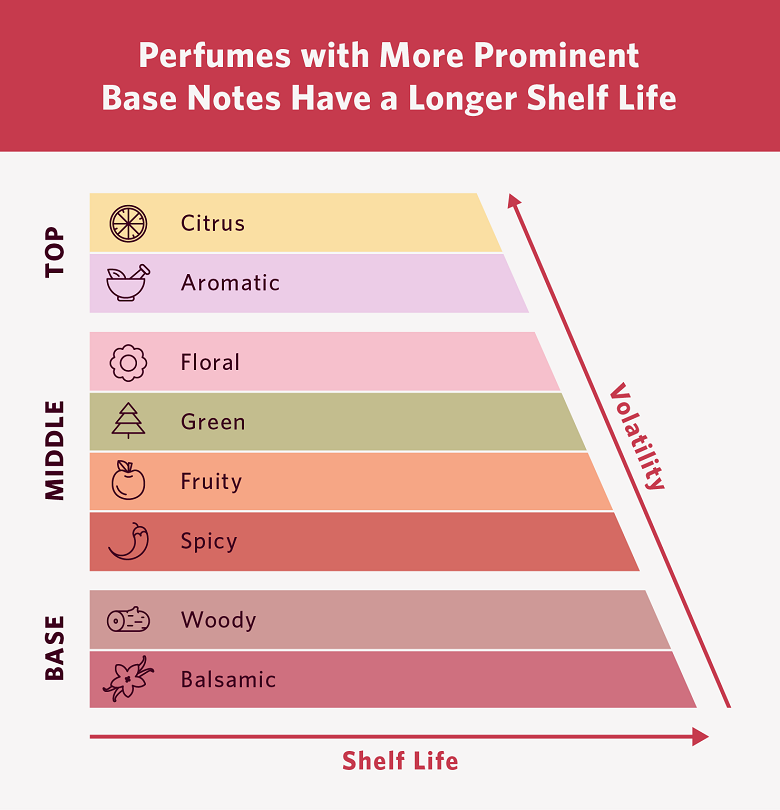
Many perfumes do not have a specific expiration date. Some may lose their quality within a year, while others can remain usable for up to ten years. On average, a fragrance has a shelf life of three to five years. Perfumes that contain heavier base notes (like woody or oriental scents) tend to last longer than citrus or floral scents.
Is perfume flammable? Yes. Most perfumes and colognes contain a high percentage of ethyl alcohol (ethanol), which is highly flammable. Always keep your bottles away from open flames, lit cigarettes, or intense heat sources.
Table of Contents
3 Simple Ways to Tell If Your Perfume Is Expired
If you’ve noticed that your fragrance doesn’t last as long as it used to or has developed an unpleasant odor, it’s likely due to the natural aging process (oxidation). Here is how to test it:
- Clear Liquid: The color remains consistent with when you bought it.
- Scent opening: The top notes (first spray) smell fresh, not sour.
- Consistency: The liquid is free of floating particles or cloudiness.
- Sour/Metallic Smell: Smells like vinegar, rust, or “off.”
- Darker Color: The liquid has turned amber, dark brown, or opaque.
- Evaporation: The liquid level has dropped significantly despite non-use.
1. The Smell Test
The most obvious indicator is the scent itself. Fragrances with vegetable oils may turn rancid over time. If your perfume acquires undertones of vinegar, metallic notes, or smells significantly different than when you purchased it, the chemical compounds have likely oxidized.
2. The Color Test
Check the appearance. Perfumes with high alcohol content can evaporate, leaving essential oils concentrated and dark. If a clear or light-gold liquid has turned dark amber or opaque, it is a sign of aging.
3. Check the Batch Code
Look for a PAO (Period After Opening) symbol on the box or bottle—it looks like a small open jar with a number (e.g., 24M for 24 months). Alternatively, check the batch code printed on the bottom of the bottle.
Is Perfume Flammable? Understanding the Science and Safety
The short answer is yes, perfume is highly flammable. The primary reason is its alcohol content. Most perfumes, colognes, and eaux de toilette use ethyl alcohol (ethanol) as a solvent, typically making up 60% to 90% of the liquid volume. Ethanol has a low flash point, meaning it can easily ignite at room temperature when exposed to a spark or open flame.
⚠️ Important Safety Warning
Never spray perfume near an open flame, lit cigarette, candle, gas stove, or fireplace. Aerosolized perfume can create a highly flammable mist. Allow perfume to dry completely on your skin before approaching any heat source.
While alcohol is the main culprit, other flammable ingredients can include certain aerosol propellants (in spray formats) and, in rare cases, highly concentrated aromatic compounds. Always treat your fragrance with the same caution as other alcohol-based products like rubbing alcohol or hairspray.
3 Simple Ways to Tell If Your Perfume Is Expired
Perfumes don’t have a strict “use by” date like food, but they degrade through oxidation. If you’ve noticed your fragrance doesn’t last or smells odd, here’s how to diagnose it.
- Clear Liquid: Color matches its original state (e.g., pale gold, clear).
- Fresh Scent Opening: Top notes smell vibrant, not sour or flat.
- Consistent Strength: Projection and longevity feel normal.
- No Residue: The liquid is free of floating particles or cloudiness.
- Sour or Metallic Smell: Strong notes of vinegar, nail polish, or rust.
- Darkened Color: A light liquid turns noticeably amber or brown.
- Weak or “Flat” Scent: No projection, smells faint and dull.
- Evaporation: Liquid level drops without regular use.
1. The Ultimate Smell Test
Spray once on a blotter or wrist. An expired perfume’s top notes (the first scent you smell) will be weak or unpleasant. The heart and base notes may smell distorted, “off,” or like rubbing alcohol. This is due to the breakdown of delicate aroma compounds.
2. The Visual Inspection (Color & Clarity)
Hold the bottle up to light. Oxidation causes chemical changes that darken the liquid. A pale citrus scent turning dark gold is a red flag. Also, look for sediment or cloudiness, which indicates ingredient separation.
3. Check the Batch Code or PAO Symbol
Look for a tiny open jar icon on the box or bottle—this is the Period After Opening (PAO) symbol. The number inside (e.g., 24M) indicates how many months it’s good for after first use. You can also check the batch code (printed on the bottom) on sites like CheckFresh or CheckCosmetics to determine its production date.
Expert Debate: The Refrigerator?
While some experts like Gabriela Chelariu suggest the fridge is the “best climate,” others warn against it. The Verdict: Only use the fridge for colognes or light sprays if you rarely open the door. Frequent temperature fluctuations (taking it out and putting it back) can cause condensation inside the bottle, which ruins the juice. A cool, dark cupboard is the safer bet for most collections.
Shelf Life by Scent Family
“In general, oriental perfumes with spicy, wood, and vanilla notes have a longer shelf life,” says Gabriela Chelariu, a senior perfumer at Firmenich. Top notes like citrus oxidize the fastest.
| Scent Family | Estimated Shelf Life | Why? |
|---|---|---|
| Citrus / Fresh | 1 – 2 Years | Light molecules evaporate and oxidize quickly. |
| Floral | 2 – 3 Years | Delicate floral oils are sensitive to heat. |
| Chypre / Woody | 3 – 5 Years | Base notes like Vetiver and Patchouli are stable. |
| Oriental / Amber | 5 – 10+ Years | Resins and Vanilla often get richer with age. |
How to Store Perfume to Maximize Lifespan

Proper storage is crucial. A perfume’s main enemies are Oxygen, Light, and Heat.
The Golden Rules of Storage:
- Keep it in the Box: The original cardboard box is the best defense against UV light.
- Consistent Temperature: Store in a bedroom drawer or closet. Avoid bathrooms, as the humidity and heat from showers will break down the chemical bonds.
- Avoid Sunlight: Never leave bottles on a windowsill. UV radiation alters the color and scent structure.
- Keep it Sealed: Oxygen is the #1 killer of scent. Only open the bottle when you are ready to use it, and ensure the cap is tight.
Expert Debate: The Refrigerator?
While some experts like Gabriela Chelariu suggest the fridge is the “best climate,” others warn against it. The Verdict: Only use the fridge for colognes or light sprays if you rarely open the door. Frequent temperature fluctuations (taking it out and putting it back) can cause condensation inside the bottle, which ruins the juice. A cool, dark cupboard is the safer bet for most collections.
Frequently Asked Questions
How long does perfume last if unopened?
An unopened bottle can last for years (sometimes decades) if stored in a cool, dark place. Perfumer Jacques Huclier notes that he has evaluated unopened bottles from the 1980s that smelled “as good as new.
Is expired perfume dangerous?
Generally, no. It is usually safe to use, though it may smell “off.” However, oxidation can generate compounds that might irritate sensitive skin. If you experience redness or itching, discontinue use immediately.
Can I fix an expired perfume?
No. Once the chemical bonds have broken down or oxidized, the process is irreversible. You can try spraying the first few pumps into the air (to clear the nozzle), but if the juice inside has turned, it cannot be fixed.
Time to Replace Your Scent?
If your old bottle has turned vinegar-sour or dark brown, it’s time to treat yourself to something new.
Looking for a Long-Lasting Replacement?
Find a scent that stands the test of time.


