
Perfume concentrations are the small letters on the bottle — Parfum, EDP, EDT, EDC — and they decide how strong a perfume smells, how long it lasts, and how much you should pay for it. The same scent can smell completely different as an EDT and an EDP: brighter and sparklier in one, rounder and longer in the other. This guide explains every perfume concentration, the oil percentage behind each one, how long each
lasts on skin, and which one to buy for your budget and your day. Download our free Perfume Concentrations Chart (PDF) and keep it for your next shopping trip.
What Perfume Concentration Actually Means
Concentration is simply how much of the blend is fragrance oil — the rest is mostly alcohol, which carries the scent onto your skin and then evaporates. More oil usually means a richer, longer-lasting scent, but there is no legal standard for these names: the percentages below are typical industry ranges, not rules, and brands do not all follow them. One house’s EDT can wear stronger than another house’s EDP, which is why you should always test on skin before buying a full bottle. Concentration also shapes the scent itself: the pyramid of top, heart and base notes shifts with the strength, so the same perfume can open brighter as an EDT and dry down deeper as a Parfum. Our beginner’s guide to perfume types explains how concentrations and fragrance families fit together.
Perfume Concentrations at a Glance
| Concentration | Fragrance oil | Usually lasts | Best for |
|---|---|---|---|
| Parfum / Extrait | 20-30% | 8+ hours | Evenings, special occasions, cold weather |
| Eau de Parfum (EDP) | 15-20% | 6-8 hours | Everyday signature scent, date nights |
| Eau de Toilette (EDT) | 5-15% | 3-5 hours | Daytime, office, warm weather |
| Eau de Cologne (EDC) | 2-5% | About 2 hours | Hot days, after showers, quick refresh |
| Eau Fraiche | 1-3% | 1-2 hours | Summer, sensitive noses, a soft whisper |
| Body Mist | 1-3% | 1-2 hours | Quick refreshes, layering, gym bag |
Parfum (Extrait de Parfum): The Strongest
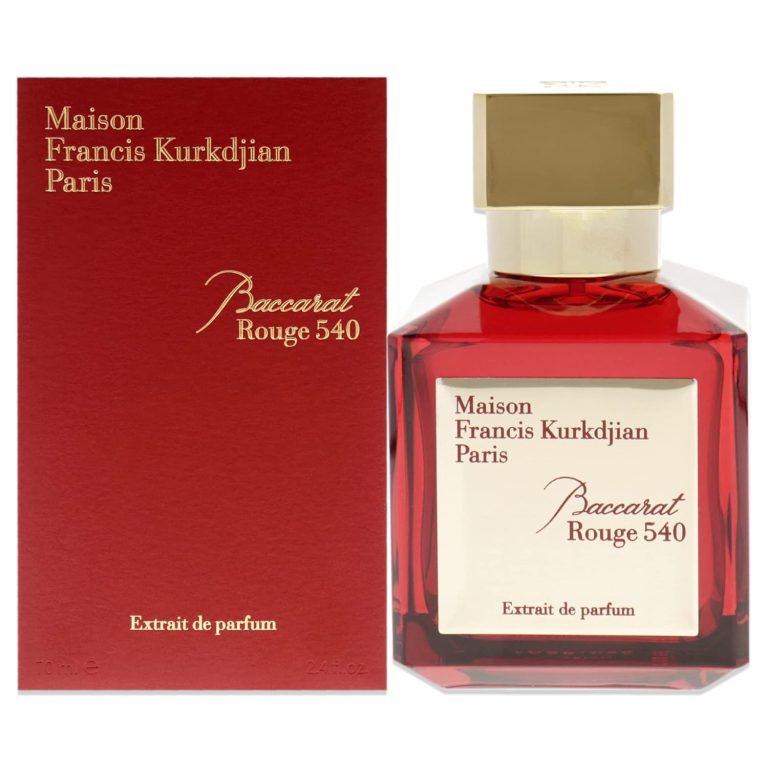
Parfum — also called extrait or pure perfume — holds roughly 20 to 30 percent fragrance oil, the highest concentration you will find. It lasts 8 hours or more, and you only need a tiny amount: one small dab on each pulse point is enough. It sits closer to the skin than an EDP, so it projects less but lasts longer, with a deep, smooth drydown and less alcohol lift. Buy it for evenings, formal occasions and cold weather, and for scents you want to wear as a signature — a small bottle goes a long way, which softens the premium price. Worked example: a 30ml extrait used at 2 dabs a day can last 6 months or more, while the same scent as an EDT sprayed 4 times a day might be gone in 8 weeks.
Eau de Parfum (EDP): The Everyday Standard
EDP usually contains roughly 15 to 20 percent fragrance oil and lasts around 6 to 8 hours. It is the concentration most modern fine fragrances are sold in, and the safest default: full and smooth, with enough body for an evening but polite enough for the office. If you only buy one version of a perfume, buy the EDP. The one exception is a scent you love in summer — an EDP can feel heavy in heat, and that’s when the EDT earns its place. When you do wear EDP daily, how to apply perfume so it lasts longer matters more than the concentration: sprayed on moisturised skin at the pulse points, an EDP will carry you from morning to night.
Eau de Toilette (EDT): Light, Bright, Affordable
EDT usually has roughly 5 to 15 percent fragrance oil and lasts about 3 to 5 hours. It opens brighter and sparklier than the EDP of the same scent, with more lift from the alcohol and a lighter drydown — which is why EDTs are the classic daytime, office and warm-weather choice. They are also the cheapest way into a scent you love, often 20 to 30 percent less than the EDP. The trade-off is longevity: expect to reapply after lunch. If you buy EDT, buy the size that matches how fast you wear it — our perfume bottle sizes guide shows why a 100ml bottle of a light citrus EDT can go off before you finish it, and why a light scent fades faster when the bottle is stored badly. Keep it cool and dark, as explained in how to store perfume properly, or even the best EDT won’t survive the summer.
Eau de Cologne, Eau Fraiche and Body Mist: The Lightest
Eau de Cologne (EDC) is light, usually 2 to 5 percent oil, lasting about 2 hours — bright, fresh, often citrus-heavy, and the classic after-shower refresh. Eau Fraiche is lighter still at 1 to 3 percent, made for hot days and sensitive noses. Body mists sit at the same 1 to 3 percent and are best for quick refreshes and layering under a stronger perfume. None of these is a full-day scent, and none of them should be judged by the same standard as an EDP. Their job is freshness, not longevity — and at their price, that’s a fair trade. One honest warning: a perfume can also smell weak because it has gone off, not because the concentration is low. If a bottle smells sour, sharp or flat, check does perfume expire before buying a stronger version of the same scent.
Which Concentration Should You Buy?
Match the strength to the occasion, not to the price tag. Office and daytime: EDT. Everyday signature scent: EDP. Evenings and special occasions: Parfum. Hot weather and workouts: EDC or Eau Fraiche. And remember the two rules that save the most money: stronger is not always louder — Parfum sits closer to the skin — and the name on the bottle is a guideline, not a guarantee. Test on skin, wait an hour, and buy the concentration that still smells like you at the end of the day. Our complete perfume guide puts concentrations together with notes, families and buying tips in one place if you want the full picture.
Download the Free Perfume Concentrations Chart (PDF)
Download our free Perfume Concentrations Chart (PDF) — every concentration on one page, with its oil percentage, wear time and best use. Print it or save it on your phone for your next shopping trip.
Buy the Right Strength, Not the Biggest Bottle
The letters on the bottle are the cheapest buying advice in perfumery: they tell you how long a scent will last and what it will cost you per wear before you ever spray it. Learn the six concentrations, test on skin, and buy the strength that fits your day — not the one with the fanciest name.